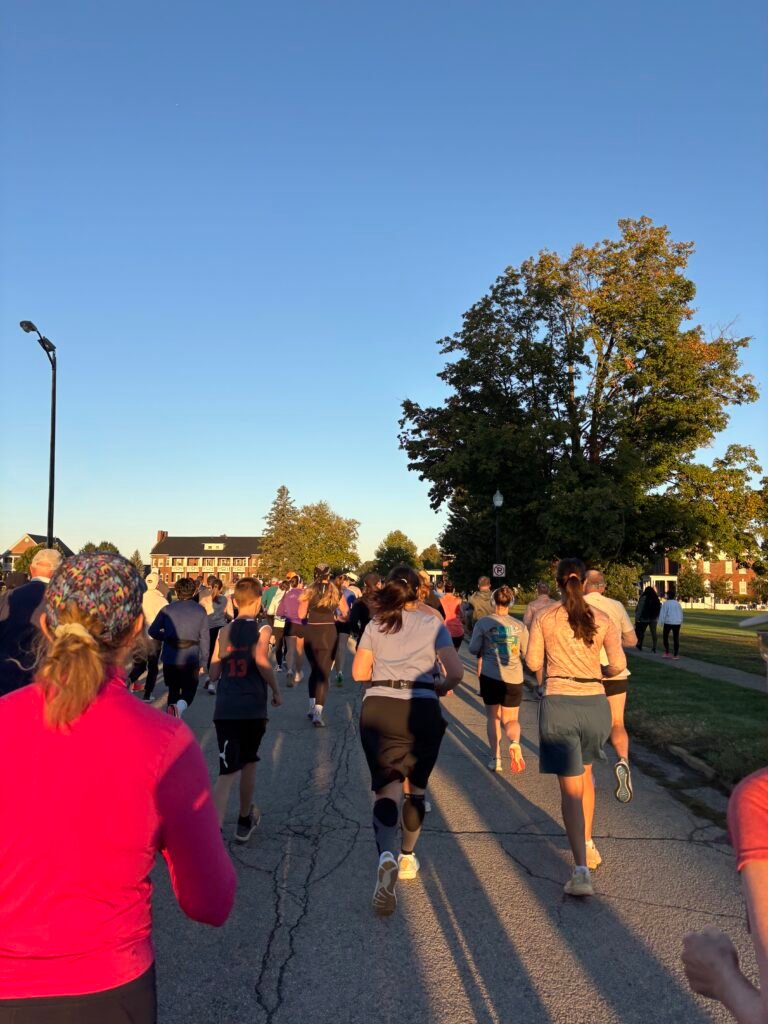
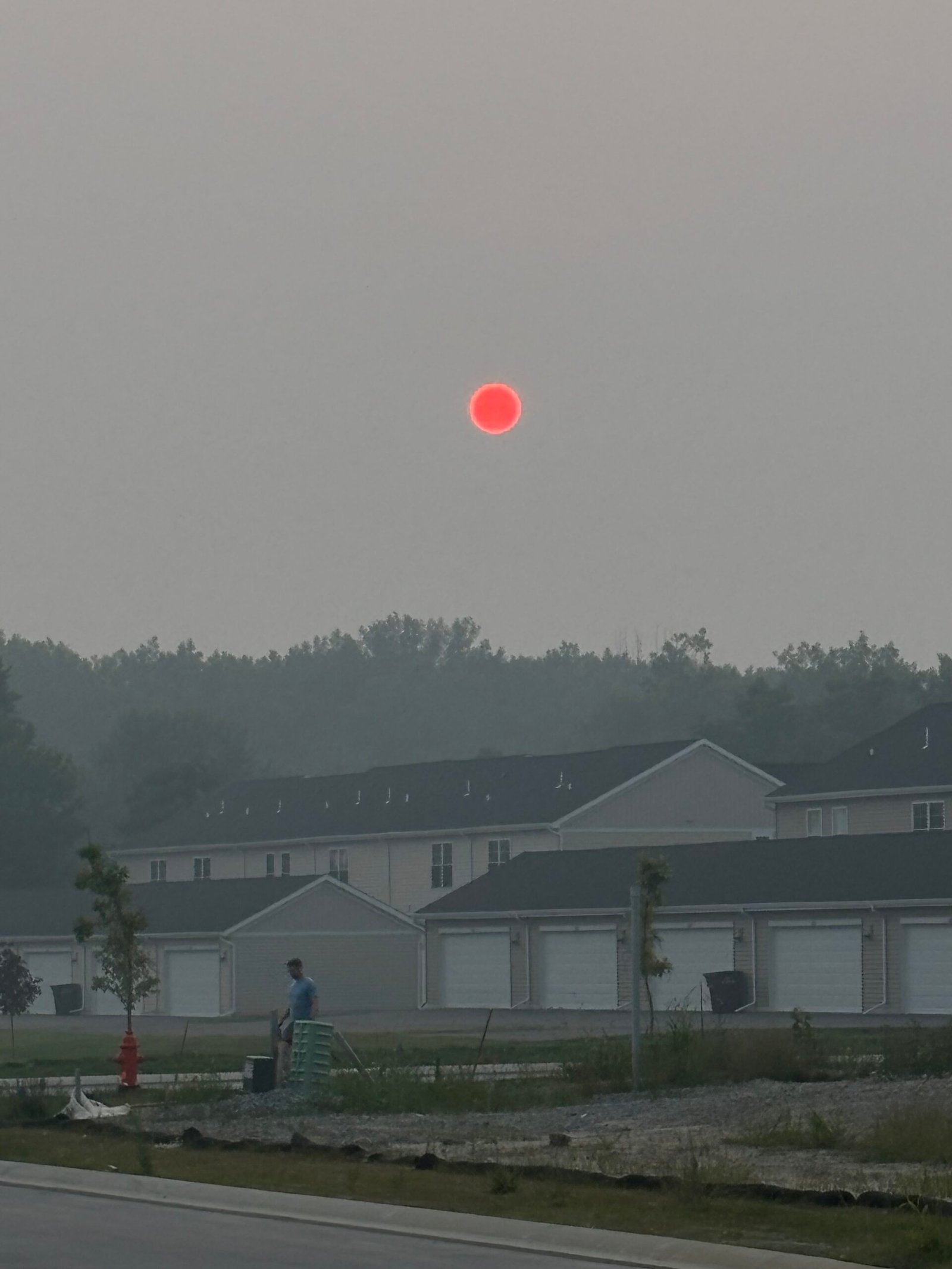

Can you run outside when the AQI is high from wildfire smoke? Here is what marathon and half marathon runners need to know about running in wildfire smoke, what AQI level is unsafe to run in, the health effects of breathing smoke while running, and how to make treadmill running bearable when you have no other option. With Canada on fire and smoke spreading across the Midwest and East Coast, this one is for every runner trying to keep their training on track.
With wildfire smoke spreading across the Midwest and East Coast, here is what every runner needs to know about training when the air quality is dangerous.
If you have stepped outside recently and noticed the sky looking hazy, an unusual smell in the air, or a headache that came out of nowhere — you are not imagining it. With massive wildfires burning in Canada, smoke is spreading across a huge stretch of the Midwest and East Coast and it is affecting runners everywhere. And if you are in the middle of marathon or half marathon training right now, you are probably wondering whether it is safe to run outside — or whether you need to take your miles indoors.
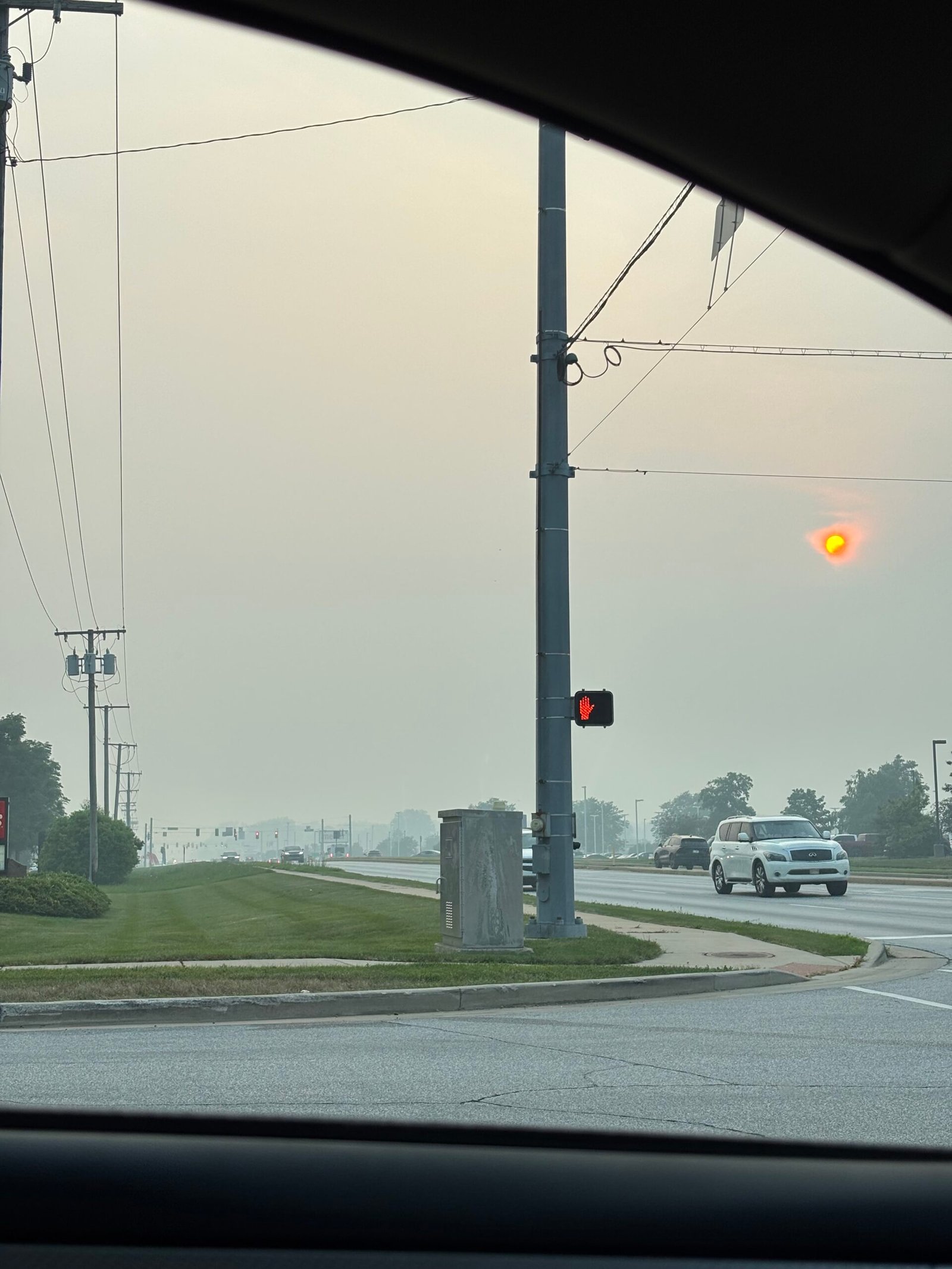
This was the sky during marathon training week 1. AQI over 400. Not a normal summer day.
I lived this firsthand during the first week of my own marathon training. I stepped outside before my Thursday run and immediately got a pounding headache just from standing in the air for a minute. The AQI in my area was over 400. I saw other runners outside and honestly, I could not believe it. That is not being tough. That is genuinely putting your health at risk.
What Is AQI and Why Does It Matter for Runners?
AQI stands for Air Quality Index. It is a scale from 0 to 500 that measures how polluted the outdoor air is and what health effects might be a concern. The higher the number, the worse the air quality and the greater the risk to your health.
For runners specifically, AQI matters more than it does for the average person just going about their day. When you run, your breathing rate increases dramatically — you are pulling in far more air per minute than someone sitting still. That means you are also pulling in far more of whatever is in that air, including smoke particles, ash, and toxic compounds from wildfires. What might be a minor irritant on a normal walk becomes a serious respiratory stress during a hard run.
What Each AQI Level Means for Runners
Not all bad air is the same. Here is exactly what each AQI level means and what you should do as a runner:
| AQI Range | Category | What Runners Should Do |
|---|---|---|
| 0–50 | Good | Run outside without concern. Normal training. |
| 51–100 | Moderate | Generally fine for most runners. Sensitive individuals may want to shorten duration. |
| 101–150 | Unhealthy for Sensitive Groups | Consider moving hard workouts indoors. Easy runs may be okay for healthy adults but keep them short. |
| 151–200 | Unhealthy | Move your run indoors. Everyone is at risk at this level, not just sensitive individuals. |
| 201–300 | Very Unhealthy | Do not run outside. Period. Treadmill or rest day. |
| 301–500 | Hazardous | Stay indoors entirely if possible. Limit all outdoor exposure. This is emergency territory. |
A general rule of thumb for runners: once the AQI hits 150 or above, take your miles inside. At 200 and beyond it is not a judgment call anymore — it is a health decision.
When the sky looks like this, it is a treadmill day. No debate.
What Running in Wildfire Smoke Actually Does to Your Body
Wildfire smoke is not just regular air pollution. It contains a mixture of fine particles, carbon monoxide, and other toxic compounds that are genuinely harmful to breathe, especially in large quantities. When you run in high AQI conditions, here is what is actually happening:
The fine particles in smoke — called PM2.5 — are small enough to bypass your nose and throat and travel deep into your lungs. During a run when your breathing rate is elevated, you are pulling these particles in at a much higher rate. Short term effects include coughing, throat irritation, shortness of breath, chest tightness, and headaches. Longer exposure can aggravate existing conditions like asthma, and repeated exposure over time carries real risks to your respiratory health.
You also do not always feel it immediately. That is the part that catches people off guard. You might finish a run in smoky conditions feeling okay, only to feel chest tightness or fatigue hours later. The fact that you felt fine while running does not mean the exposure was harmless.
When to Move Your Run Indoors — and How to Make the Treadmill Bearable
The treadmill gets a bad reputation. And honestly, I am not going to pretend I love it — I do not. But here is the thing: a treadmill run absolutely counts toward your training. The miles still build fitness, the effort is still real, and you get to come home with your lungs intact. On a day with an AQI over 150, that tradeoff is obvious.
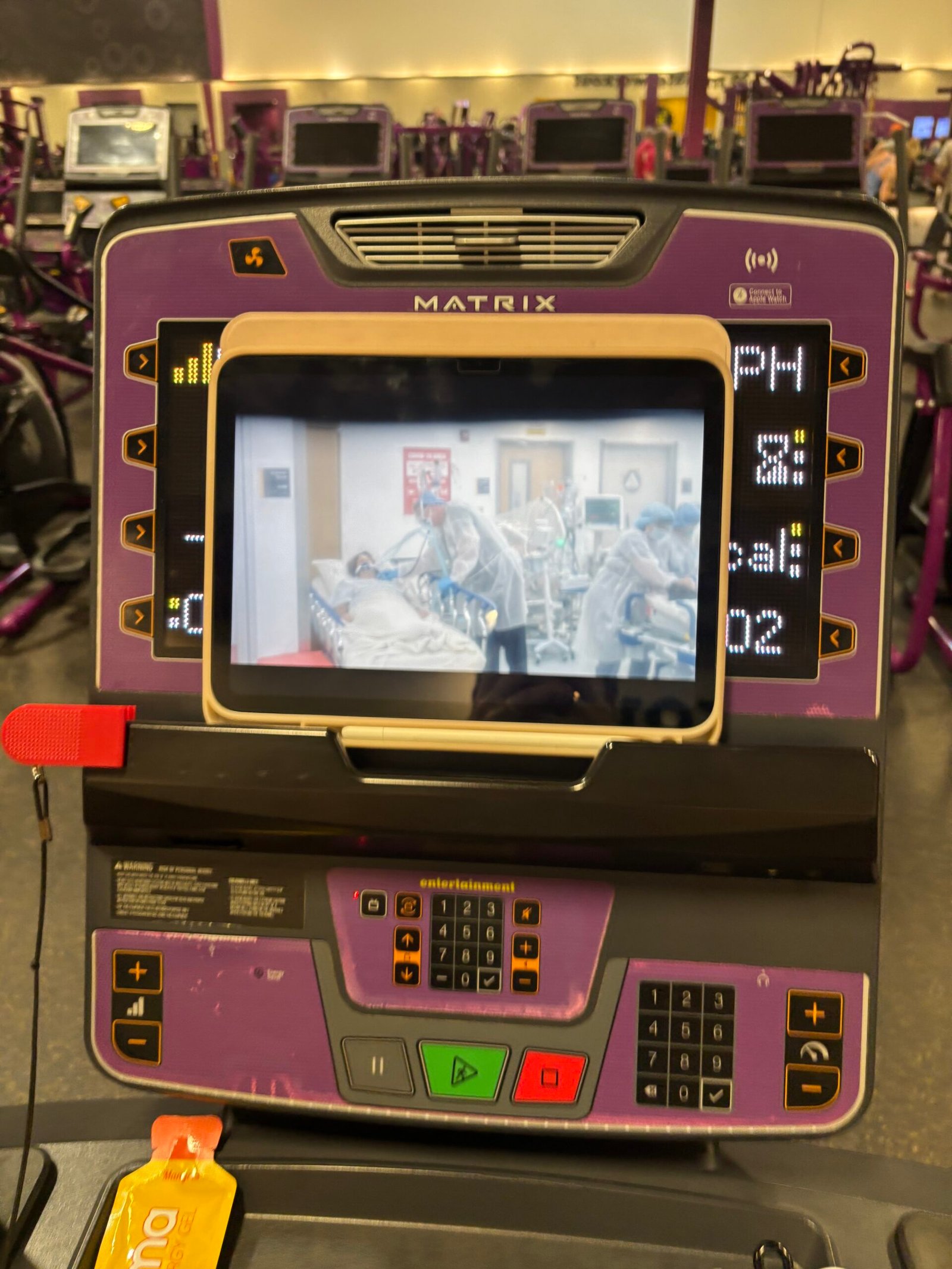
Treadmill days call for a good show. This is how I survive them. 📺
The key to making treadmill running sustainable is having a strategy. Here are the things that actually help:
One more thing that makes a huge difference on the treadmill that nobody talks about enough: a fan. Running in place without airflow feels nothing like running outside, and it makes everything harder. A small clip-on fan pointed at your face changes the entire experience — it even mimics the feeling of running into a breeze, which your brain genuinely appreciates.
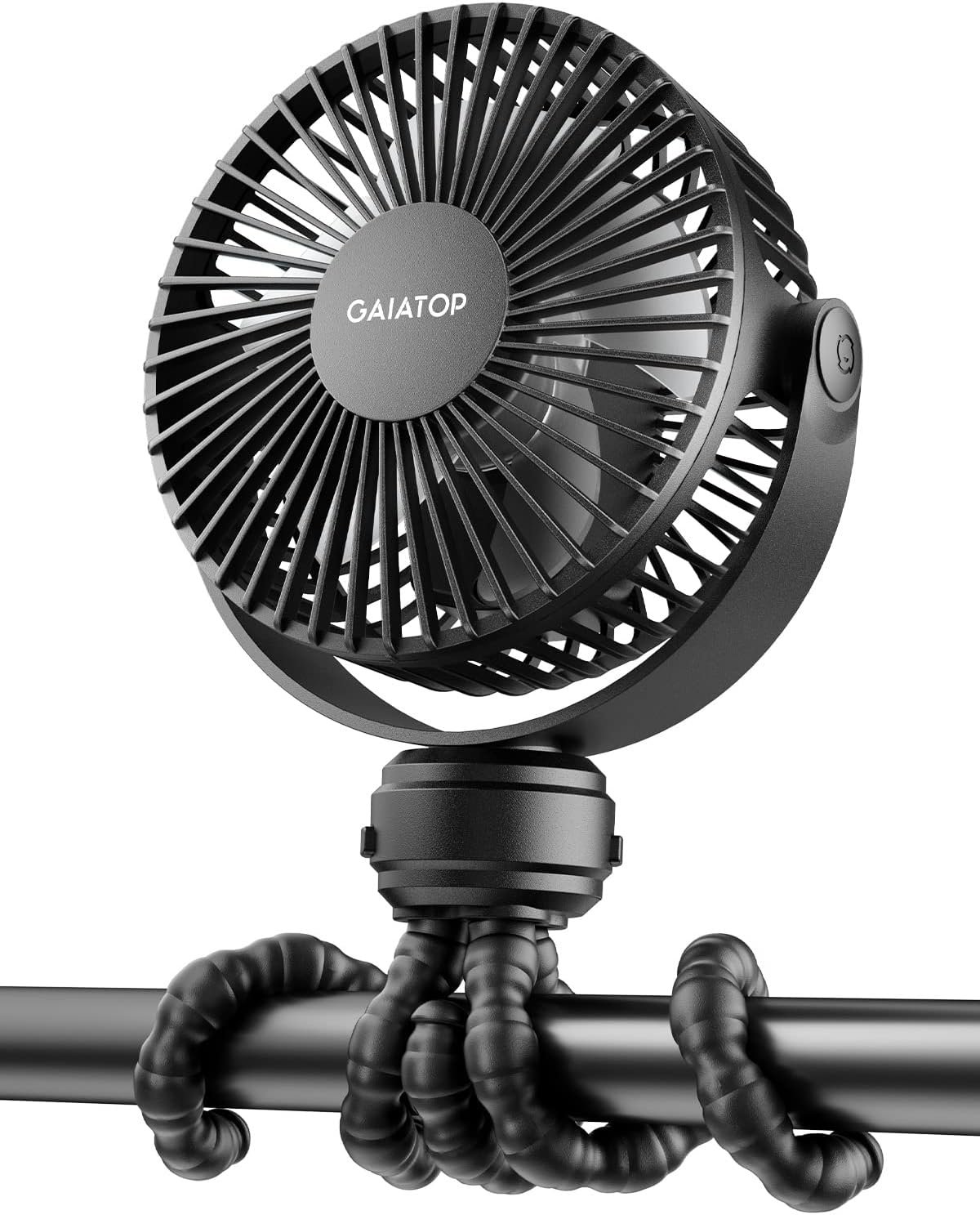
Gaiatop Mini Portable Treadmill Fan
If your treadmill does not have a built-in fan — or the built-in one is not cutting it — this little clip-on fan is genuinely worth it. It clips right onto the treadmill frame and points directly at you, and having airflow on your face while you run makes a bigger psychological difference than you would expect. It is not quite the same as running into a headwind on the trail, but it is close enough that your brain stops noticing quite so much that you are in a basement staring at a wall. The rechargeable battery lasts hours and it is quiet enough that you can still hear your show.
Shop on Amazon → * Affiliate link — I earn a small commission at no extra cost to you.One more reframe worth making: the treadmill actually has some real advantages over outdoor running that are easy to overlook when you are frustrated about being inside. Temperature controlled environment. Easy bathroom access. A place to set your water, your phone, your keys. Paper towels or a towel rack if you are a heavy sweater. No traffic, no stoplights, no hills you did not plan for. And yes — your pace will likely feel harder on a treadmill than outside, and that is completely normal. Adjust your speed accordingly and do not compare your treadmill splits to your outdoor ones.
When Is It Safe to Run Outdoors Again?
Once the AQI drops back below 100 — ideally below 50 — you are good to head back outside. Check the AirNow app or your weather app before you go, not the night before. Smoke conditions can shift significantly overnight depending on wind patterns, and what looked like a green day at 9pm can be orange or red by 6am.
When you do get back outside after a few days of smoke, give yourself a little grace on the first run. Your body has been adapting to treadmill running and the conditions were genuinely stressful even if you stayed inside. The outdoor miles will feel good again quickly — just do not sprint out the door on day one expecting a PR.
Your Training Matters — But So Do Your Lungs 🫁
Wildfire smoke is not something to push through in the name of training consistency. A few treadmill days will not derail your marathon prep. Damaged lungs might. Check your AQI, make the call, and trust that every indoor mile still counts toward the finish line.
Have you been dealing with wildfire smoke in your area? Drop a comment and let me know how you are handling training around it. 🌫️
For more summer training tips, check out How to Survive Running in the Heat, or follow along with my full marathon training journey on the Training & Progress page.