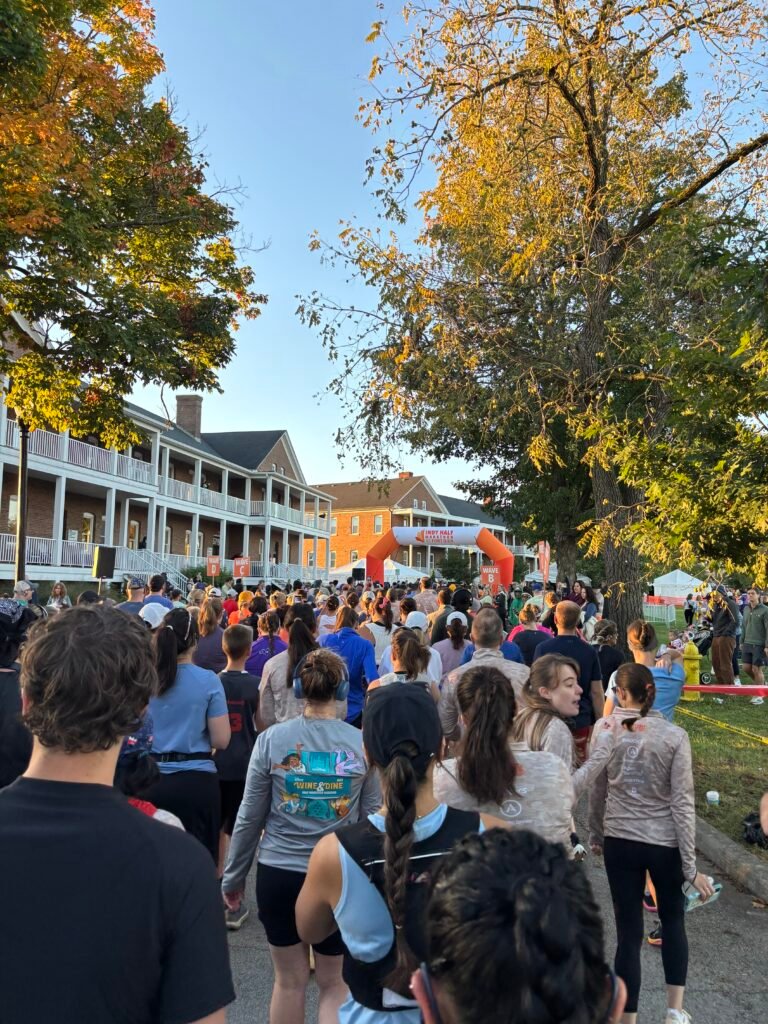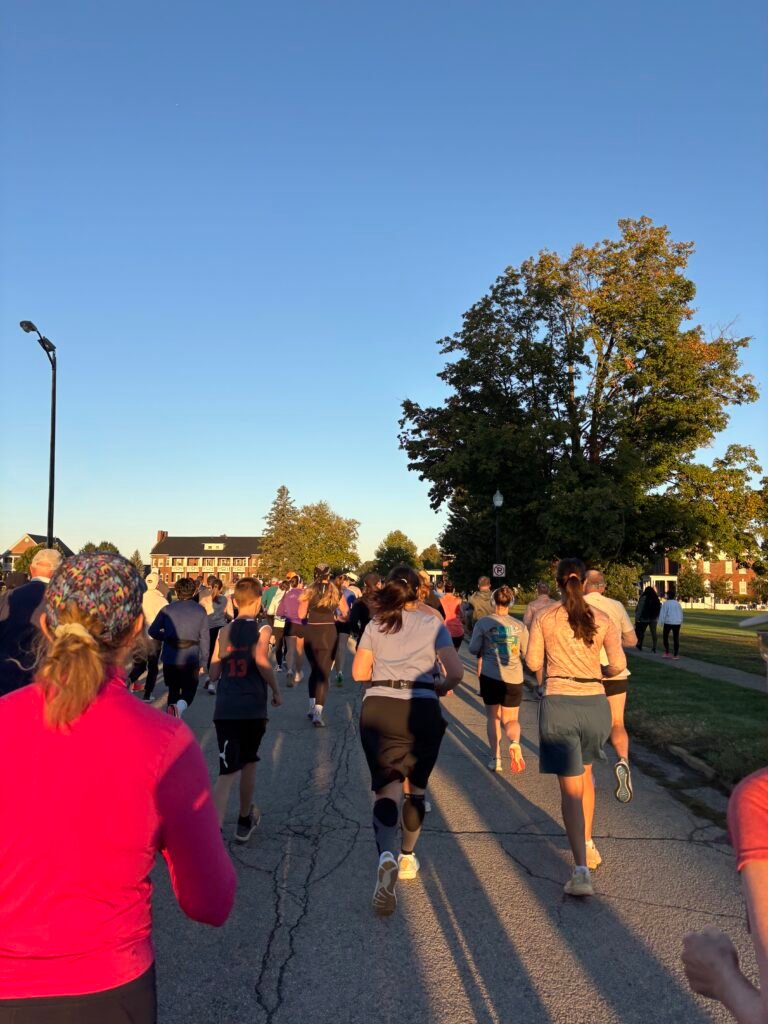

As the days get shorter, marathon and half marathon training runs get pushed into the dark — whether that’s before work or after. Here’s how to run safely in the dark: what gear actually helps, how to pick a route, and the personal safety rules I follow on every single run, so training doesn’t have to stop when the sun goes down early.
How to keep training safely once the days get short — gear that actually helps, how to pick a route, and the rules I never skip.
Every fall, the same thing happens: the days start getting shorter, and suddenly every run is fighting the clock. If you’re marathon training like I am, the idea of moving every single weekly run onto the treadmill sounds miserable — and if you work a full-time job, you’re basically out of options. You’re either running in the dark before work, running in the dark after work, or not running outside at all. Two of those are workable. Let’s talk about how to make the dark ones actually safe.
I’m not a safety expert, and this isn’t a guarantee that following every tip here means nothing bad can ever happen. But this is genuinely the gear and the routine I use on every single dark run, and it’s made me feel a lot more confident heading out the door once the sun’s already down.
Be Seen — Lights and Reflective Gear Are Not Optional
The single biggest risk running in the dark isn’t the dark itself, it’s drivers, cyclists, and other trail users not seeing you until it’s too late. A light-up vest solves this instantly, and it’s the one piece of gear I would not run a dark route without.
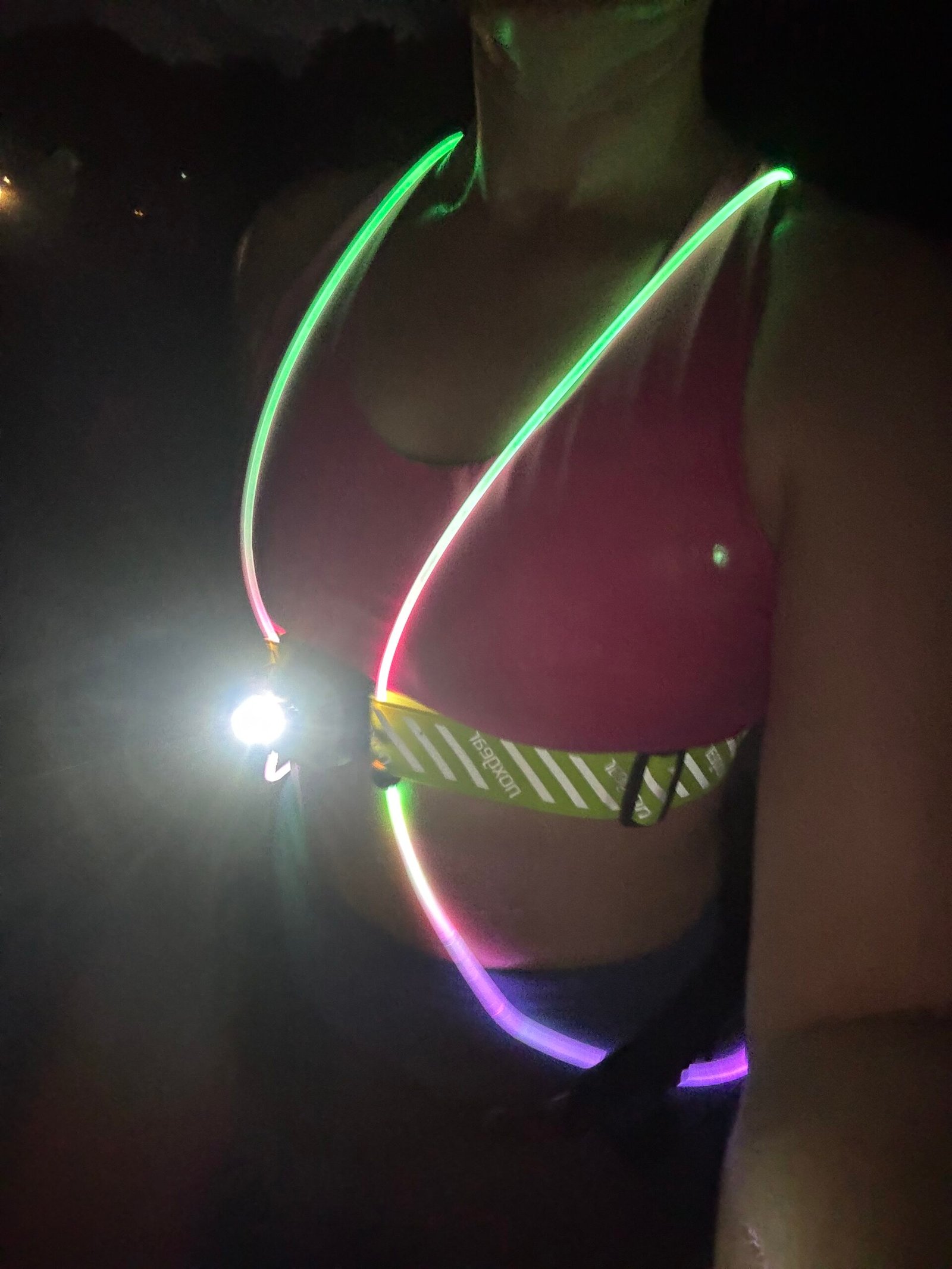
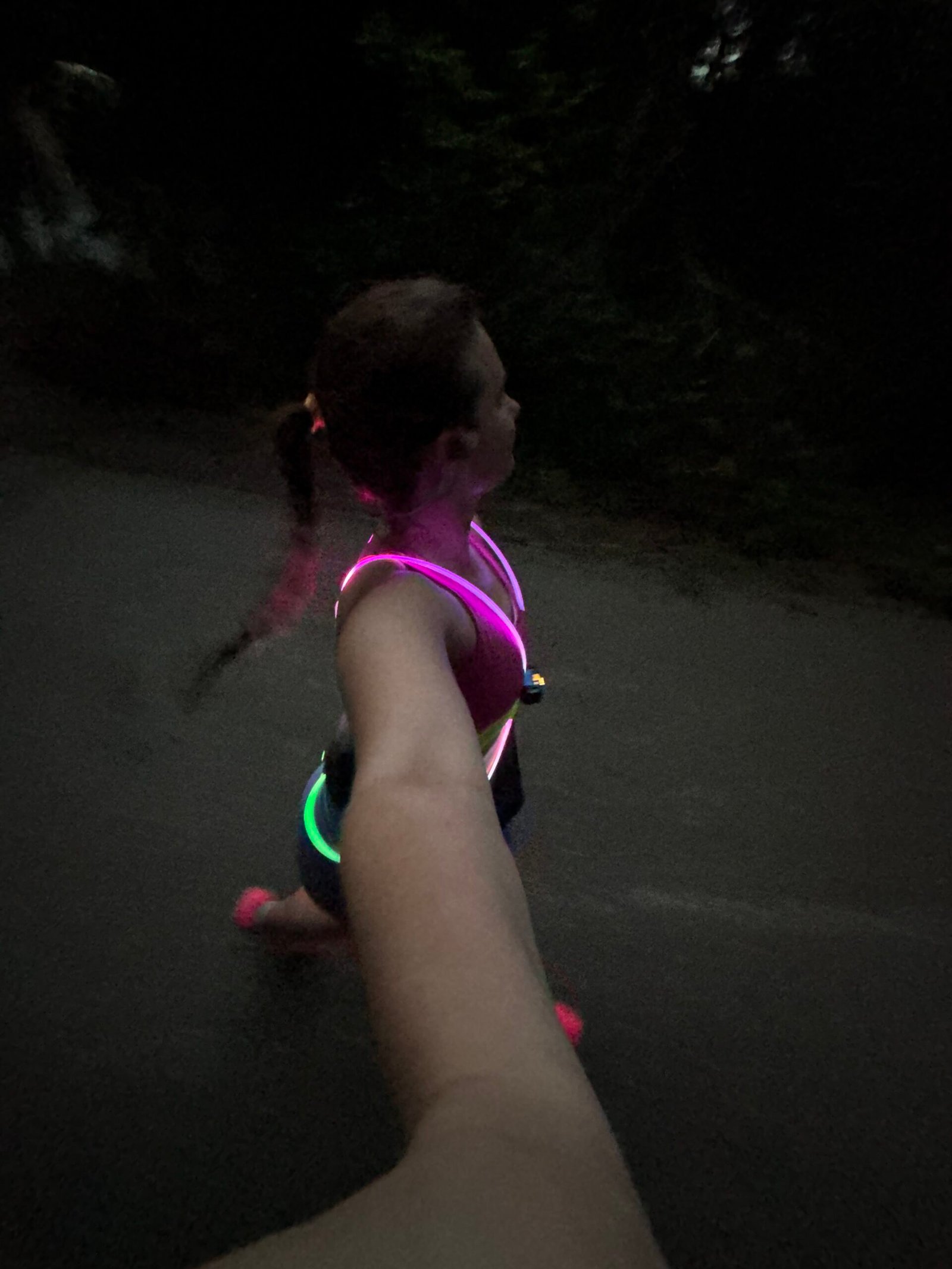
noxgear Tracer2 Multicolor Light-Up & Reflective Running Vest
I’m not going to sugarcoat it — this vest is a bit pricey, but it’s worth every dollar. I got the version with the chest light add-on, which pushed the price up more, but I highly recommend springing for it. It is SO bright. The vest has multiple color options that flash or run different patterns to actually catch people’s attention, and the chest light lit up the whole trail in front of me. My husband saw me coming from a distance and genuinely thought a car had pulled onto the bike path — that’s how bright it is.
The battery lasts up to 20 hours, it’s rechargeable, and it’s fully waterproof. Sizing note: I’d size down to a small next time — I ended up going with the size I have, but if I ever order again I’ll size down and hand this one off to my husband. I did look into cheaper off-brand light-up vests, and from what I read, most of them stop working within a few months. If you’re actually going to run in the dark regularly, it’s worth paying once for something that lasts.
Shop on Amazon → * Affiliate link — I earn a small commission at no extra cost to you.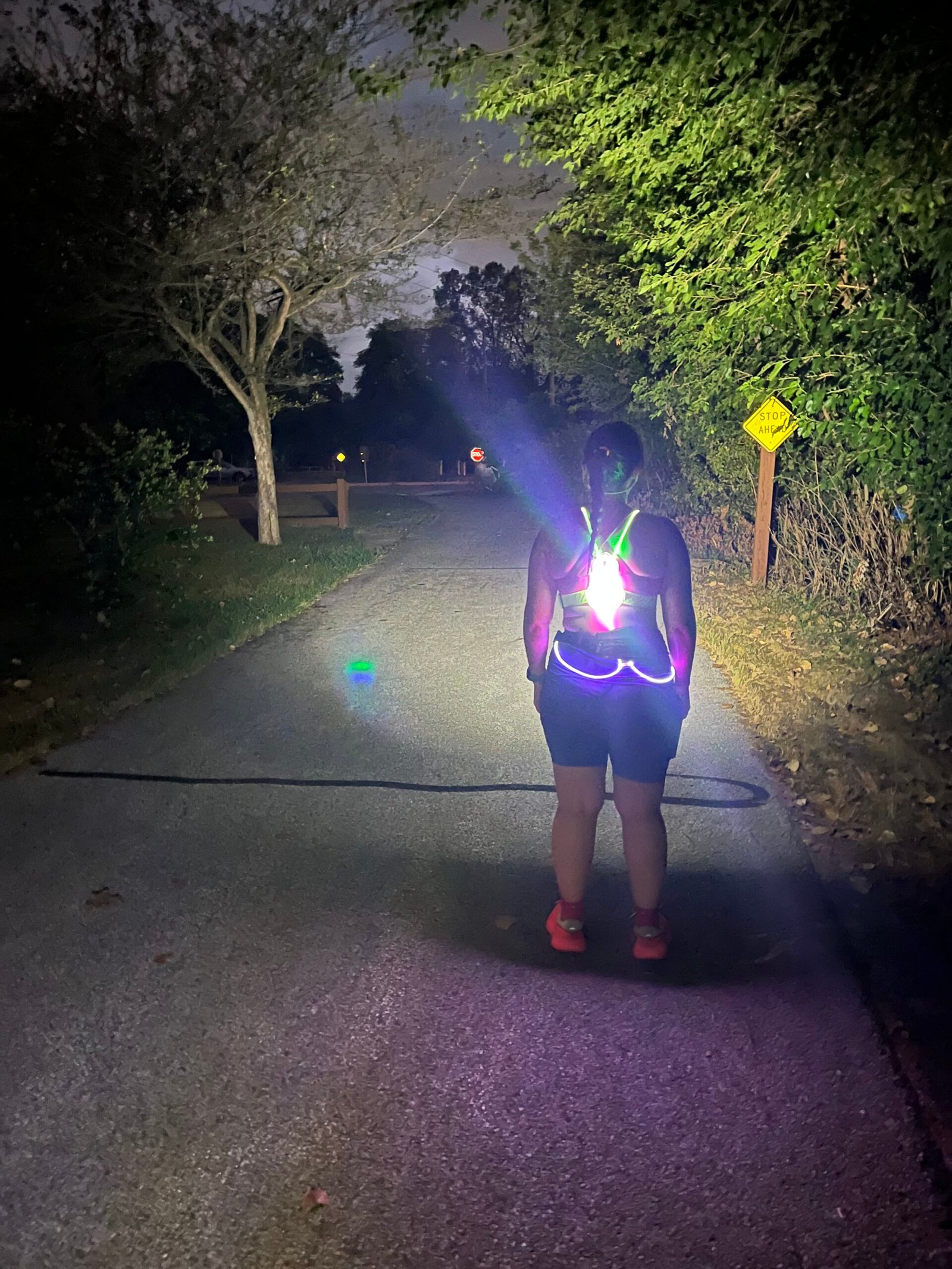
My husband took this one from a distance so you can actually see what it looks like to an oncoming driver or cyclist. This is exactly the kind of visibility you want.
Carry Something — Pepper Spray or a Stun Gun
I run with pepper spray and a stun gun every single time I’m out in the dark, no exceptions. I hope I never have to use either of them, but I would rather have them clipped on and never need them than need them and not have them.
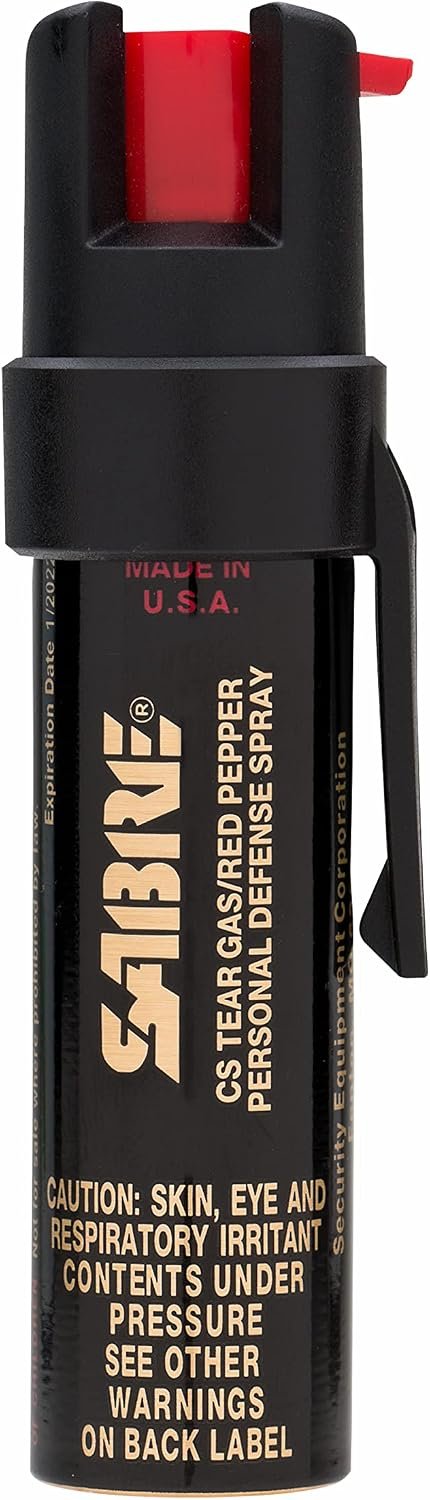
SABRE Compact 3-in-1 Pepper Spray
There are a lot of pepper spray brands out there, but SABRE is one of the most trusted names, and this compact option is easy to clip on and forget about until you need it. It combines pepper spray with UV marking dye and a decent range, and the twist-lock safety means it won’t accidentally go off in your pocket or on your belt.
Shop on Amazon → * Affiliate link — I earn a small commission at no extra cost to you.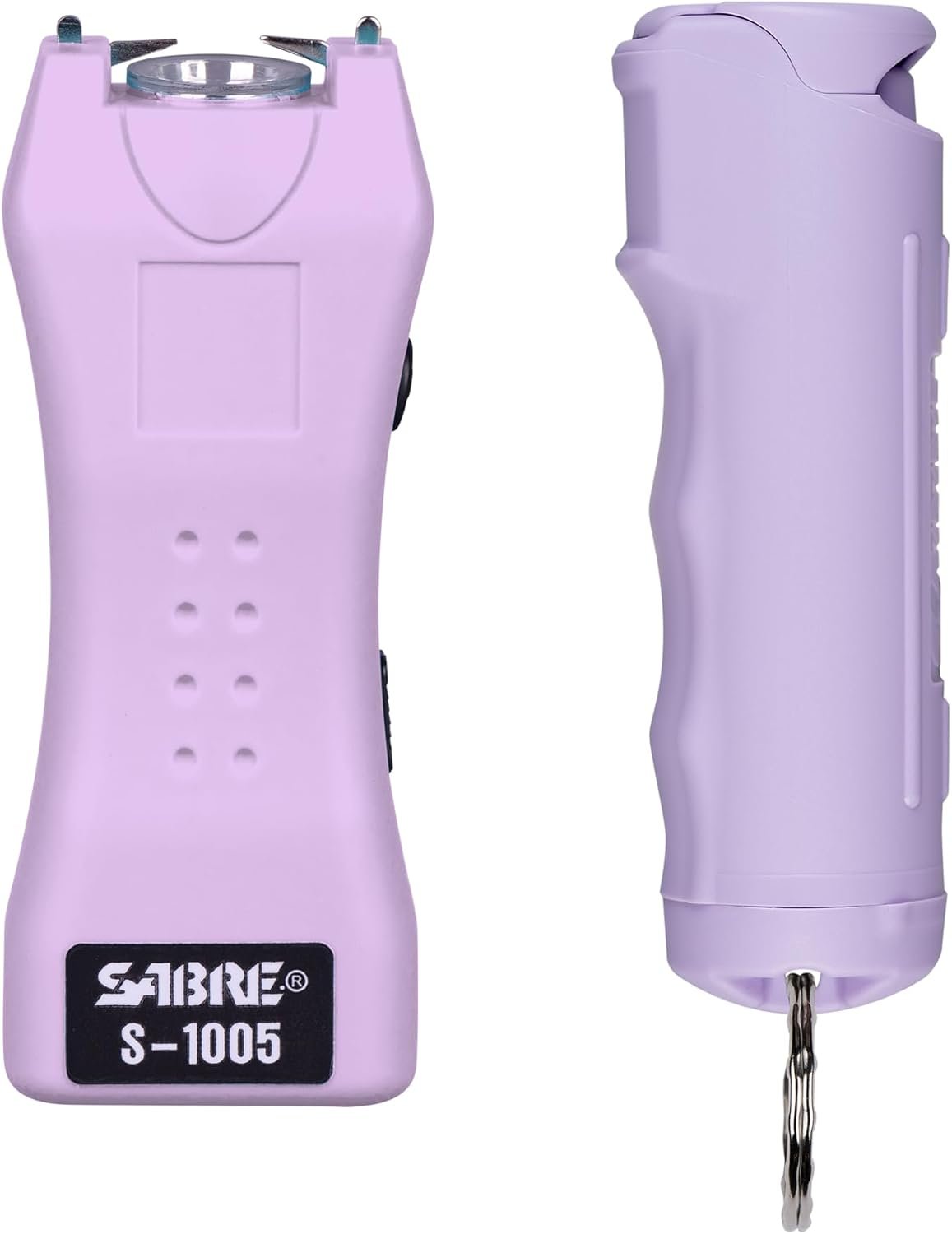
SABRE Pepper Spray & Stun Gun Bundle
If you’d rather carry both a pepper spray and a stun gun without buying them separately, this bundle includes one of each — a SABRE pepper spray and a standalone rechargeable stun gun with a built-in 120-lumen flashlight. They’re two distinct tools sold together, not one combined device, so you get the backup of having both without two separate purchases.
Shop on Amazon → * Affiliate link — I earn a small commission at no extra cost to you.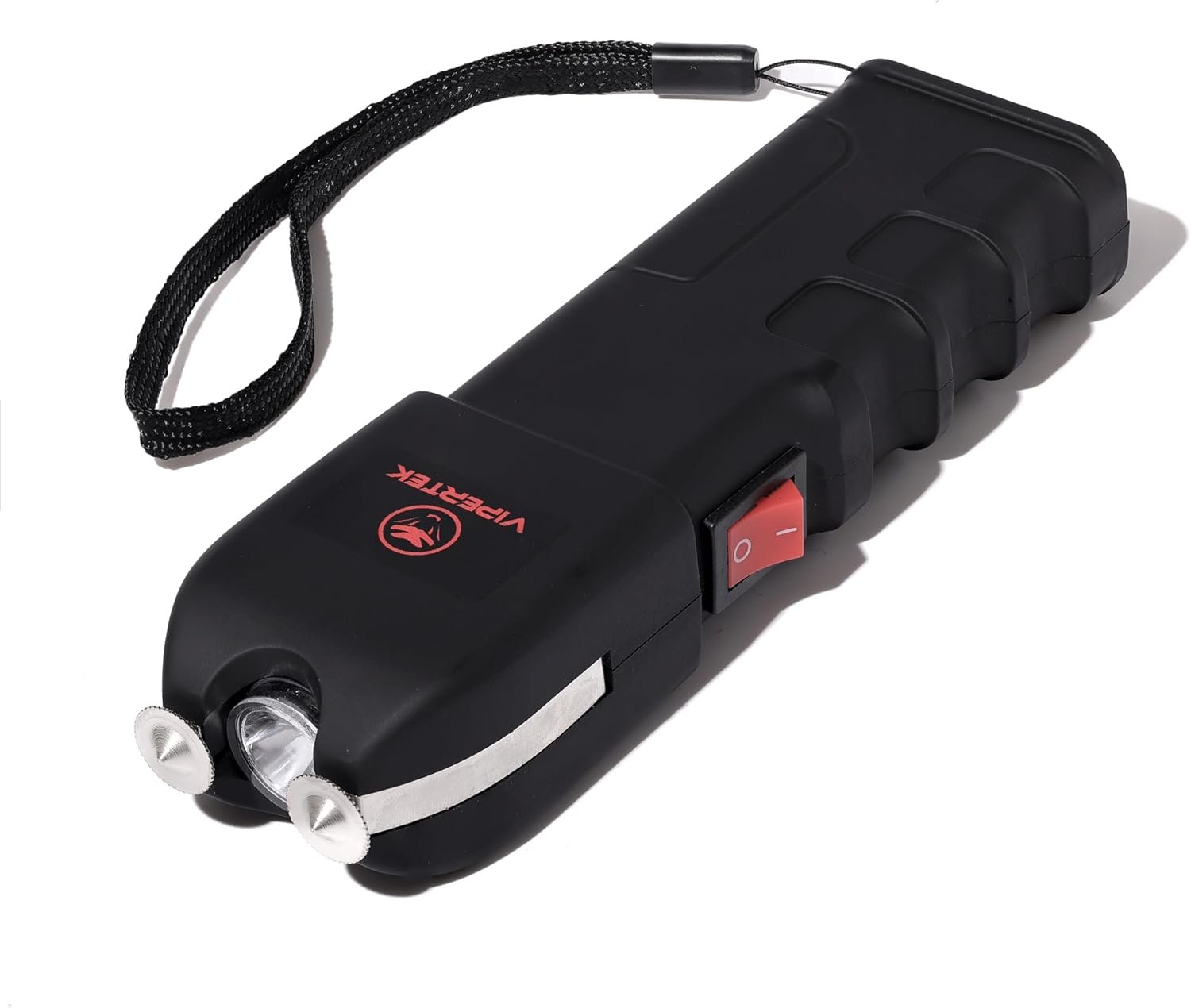
VIPERTEK VTS-989 Stun Gun with LED Flashlight
This is the one I currently carry. It’s rechargeable, compact enough to hold comfortably, and the built-in LED flashlight doubles as one more way to see and be seen on a dark trail. I run with this in hand on every dark route.
Shop on Amazon → * Affiliate link — I earn a small commission at no extra cost to you.If You Wear Headphones, Make Them Open-Ear
Running in the dark with traditional earbuds means you can’t hear a car approaching, a cyclist coming up behind you, or footsteps closing in. Open-ear headphones solve this completely — you get music or a podcast without losing awareness of what’s happening around you.
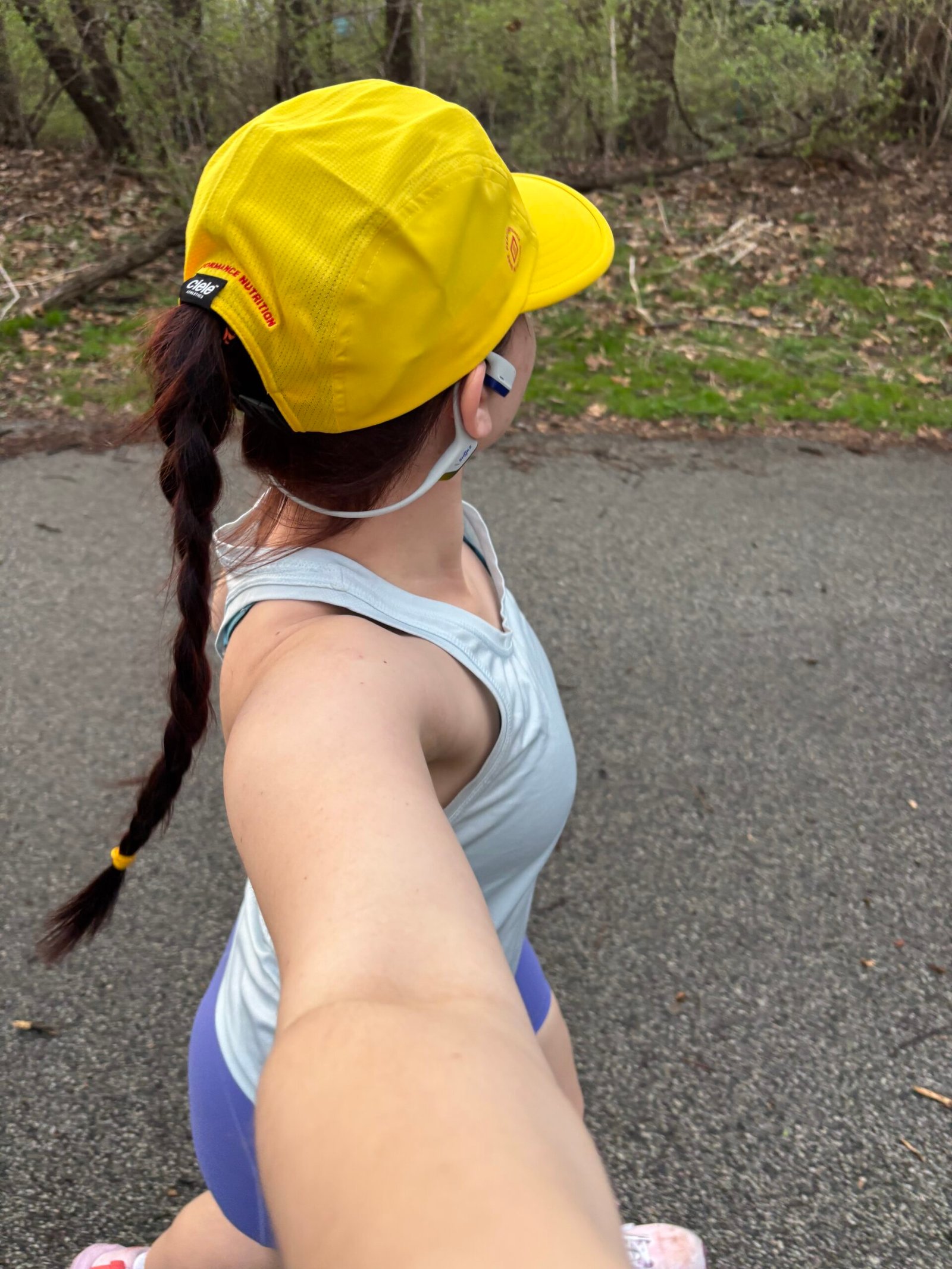
Shokz OpenRun Pro 2
I’ve had these for over a year and they’re genuinely amazing. The battery lasts forever, they’re fully waterproof, and — most importantly for dark runs — I can always hear what’s going on around me. I wear them on every single run, not just dark ones, because the sound quality is actually really good for an open-ear design, which surprised me the first time I tried them.
Shop on Amazon → * Affiliate link — I earn a small commission at no extra cost to you.Choose Your Route Carefully
Our usual route is a wooded trail, which is great in daylight but a lot less ideal once it’s dark — fewer people around, less visibility, and no street lighting. When we can, we move over to a lit sidewalk instead. It’s not always the easiest option to find near us, but when it is, we take it.
Beyond just lit vs. unlit, here’s what I actually think about when picking a route for a dark run:
Run With Someone — Or Something — When You Can
Running with my husband is always the safest option, though it isn’t always possible with two schedules. When it works, we go together. When it doesn’t, running with my German Shepherd is another way I stay safer — nobody approaches you with a big dog next to you.
I also genuinely never go truly alone, even when it’s just me and the dog. My husband will run separately and then loop back to find me once he’s finished his own run, so there’s always a point where someone knows exactly where I am and is actively looking for me.
Make Sure Someone Knows Where You Are
My location is always shared with my family, and they can track my runs in real time. This isn’t optional for me — it’s on for every single run, dark or not. If something ever happened and I couldn’t call for help myself, someone would already know roughly where I was.
I’ll admit that I’ve had moments on the trail where someone’s given me a weird look and I’ve genuinely felt scared. In those moments, knowing my family can see exactly where I am, and having my pepper spray in hand, is what lets me keep moving instead of panicking.
Morning Dark vs. Evening Dark
Both have their own challenges, and neither is objectively “better” — it really comes down to your schedule, your body, and what’s actually realistic for your life. Here’s an honest breakdown of both:
🌅 Morning Dark
Pros
- Quieter streets and trails — fewer people out
- Gets your run done before the day gets in the way
- Cooler temperatures than a run right after work
- Sunrise often happens mid-run, so part of it isn’t fully dark
Cons
- Requires waking up very early, which isn’t realistic for everyone
- Fewer other people around means less passive safety in numbers
- Harder to fuel properly if you’re running fasted or half-awake
- Drivers may be less alert this early too
🌆 Evening Dark
Pros
- No early alarm — fits a normal 9-to-5 schedule
- More daylight left at the start if you head out right after work
- More people still out and about on popular routes
- Easier to fuel and hydrate properly beforehand
Cons
- Drivers are more fatigued after a full day, and traffic can be heavier
- It’s easy to run later than planned once work or life runs long
- Temperatures can still be warm right after work in early fall
- You’re often more tired heading into the run than you would be in the morning
Everything in One Place
Shorter Days Don’t Have to Mean the End of Outdoor Training 🌙
Marathon training doesn’t pause just because the sun sets earlier. With the right gear, a route you trust, and a few non-negotiable rules — someone knowing where you are, never truly going alone, staying visible — you can keep getting your miles in outside, safely, all the way through fall and winter.
Drop a comment — what’s your go-to safety gear for dark runs? 🌙
Want more training content? Follow along on the Training & Progress page, or check out Shop My Favorites for all my go-to gear in one spot.