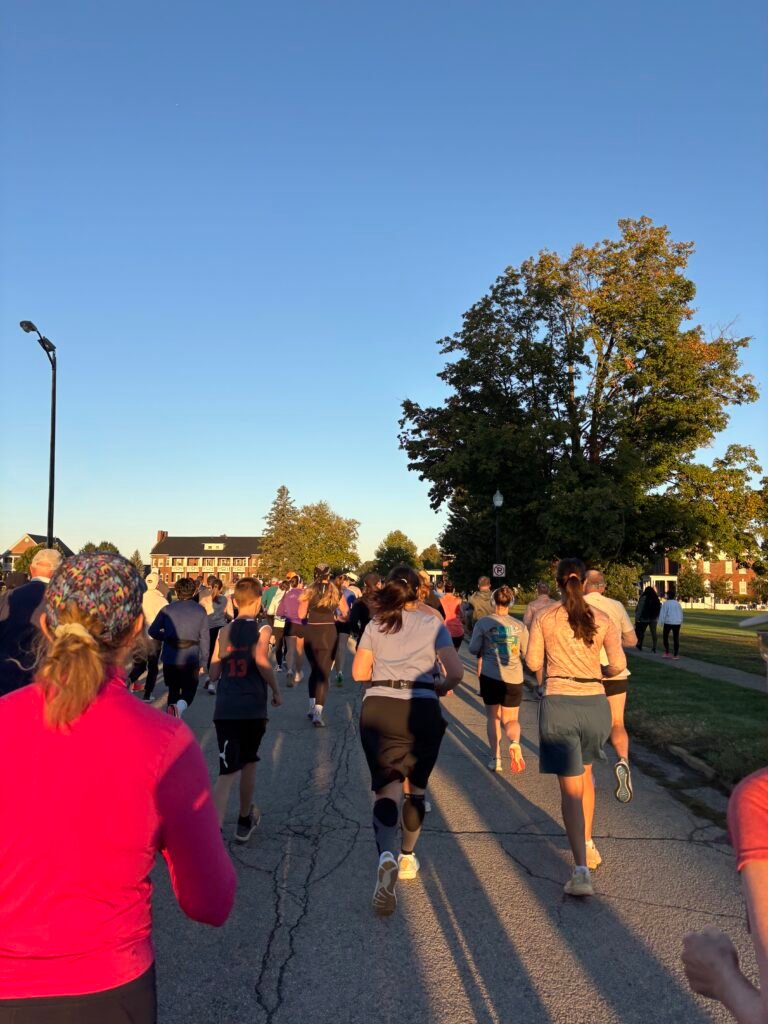
I want to start this post with something that took me a while to figure out: running is not a magic solution for weight loss. I know, not the opener you were hoping for. But if you’ve ever trained consistently, eaten “pretty well,” and still felt frustrated by the scale not moving, you already know this. And if you’re brand new to running and hoping it’ll be the thing that finally works, I’d rather you know the truth now so you can set yourself up for actual success.
Here’s what I also know from personal experience: running absolutely can support weight loss. I’ve lost over 30 pounds, and running has been a consistent part of my life throughout that journey. But it only worked when I understood what running actually does, and what it doesn’t do, for your body. That’s what this guide is for.
I am not a personal trainer, dietitian, or medical professional. I’m a real person sharing what I’ve learned through my own weight loss journey and running experience. Please talk to your doctor before making significant changes to your diet or exercise routine.
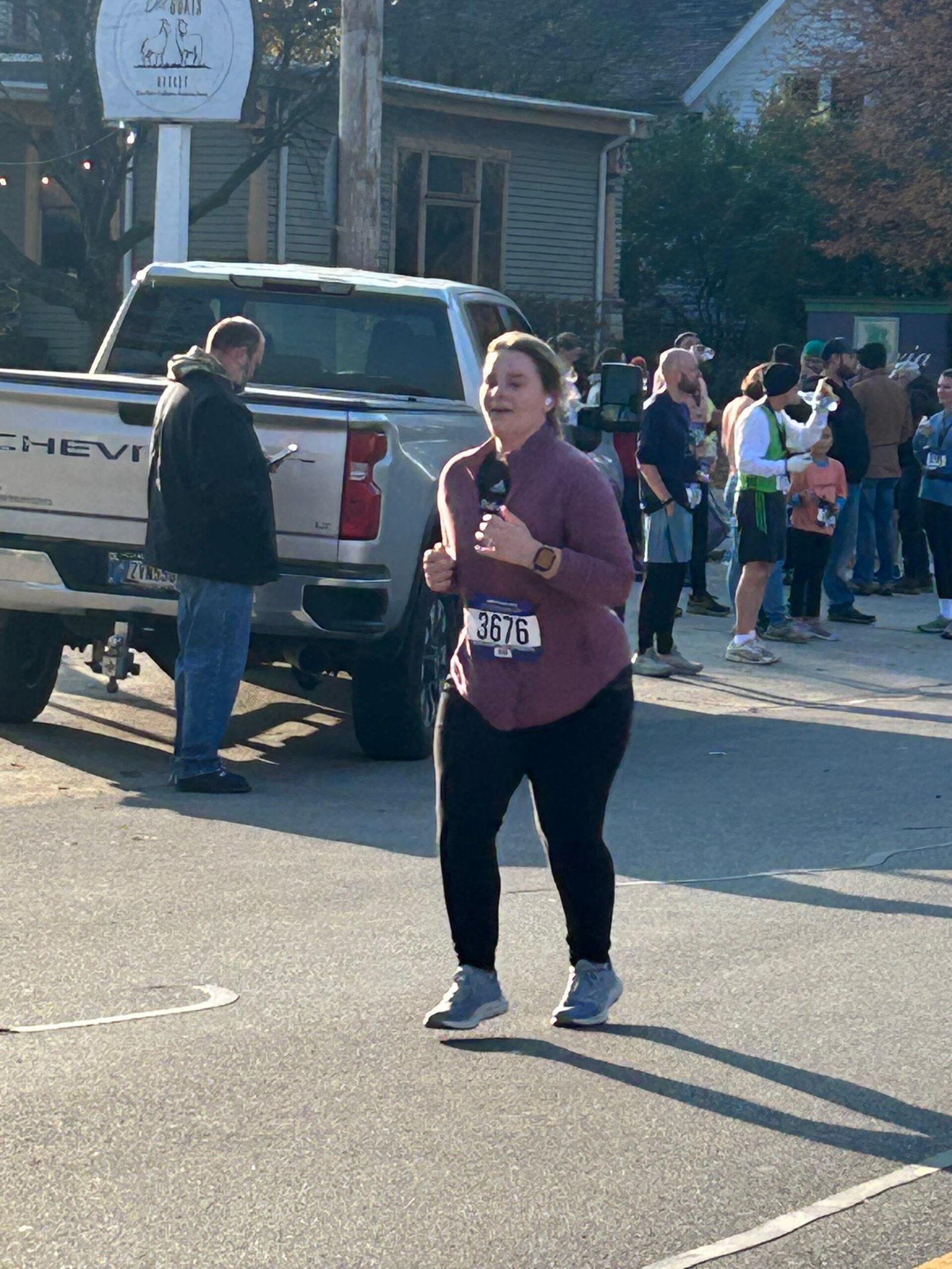
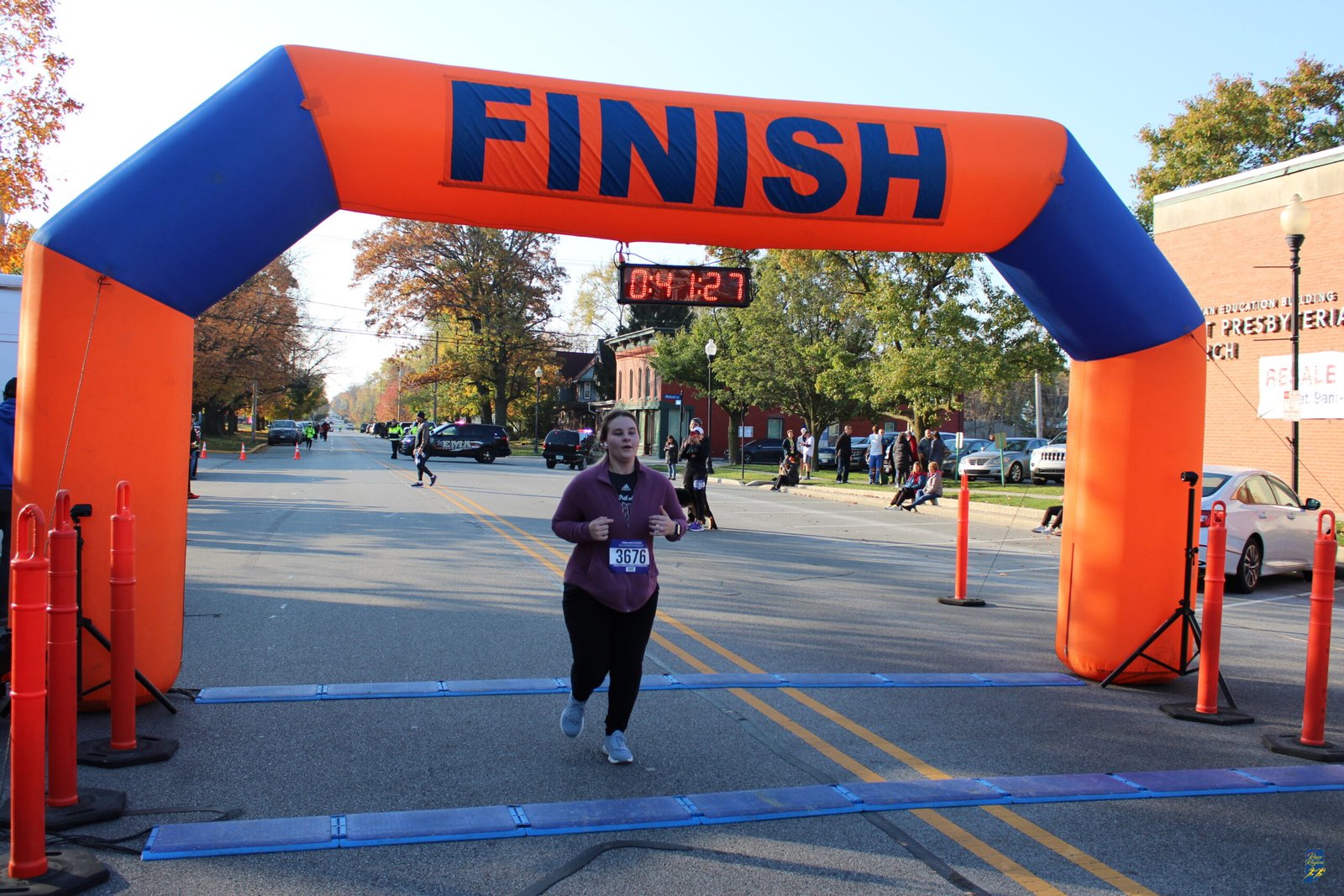
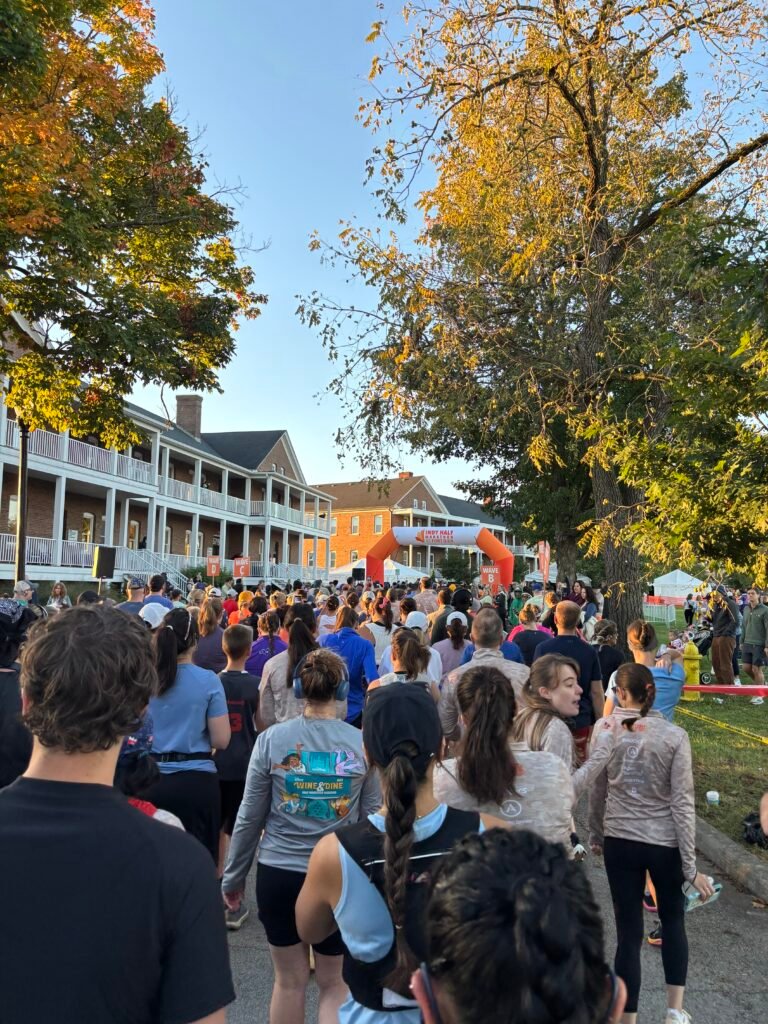
Before
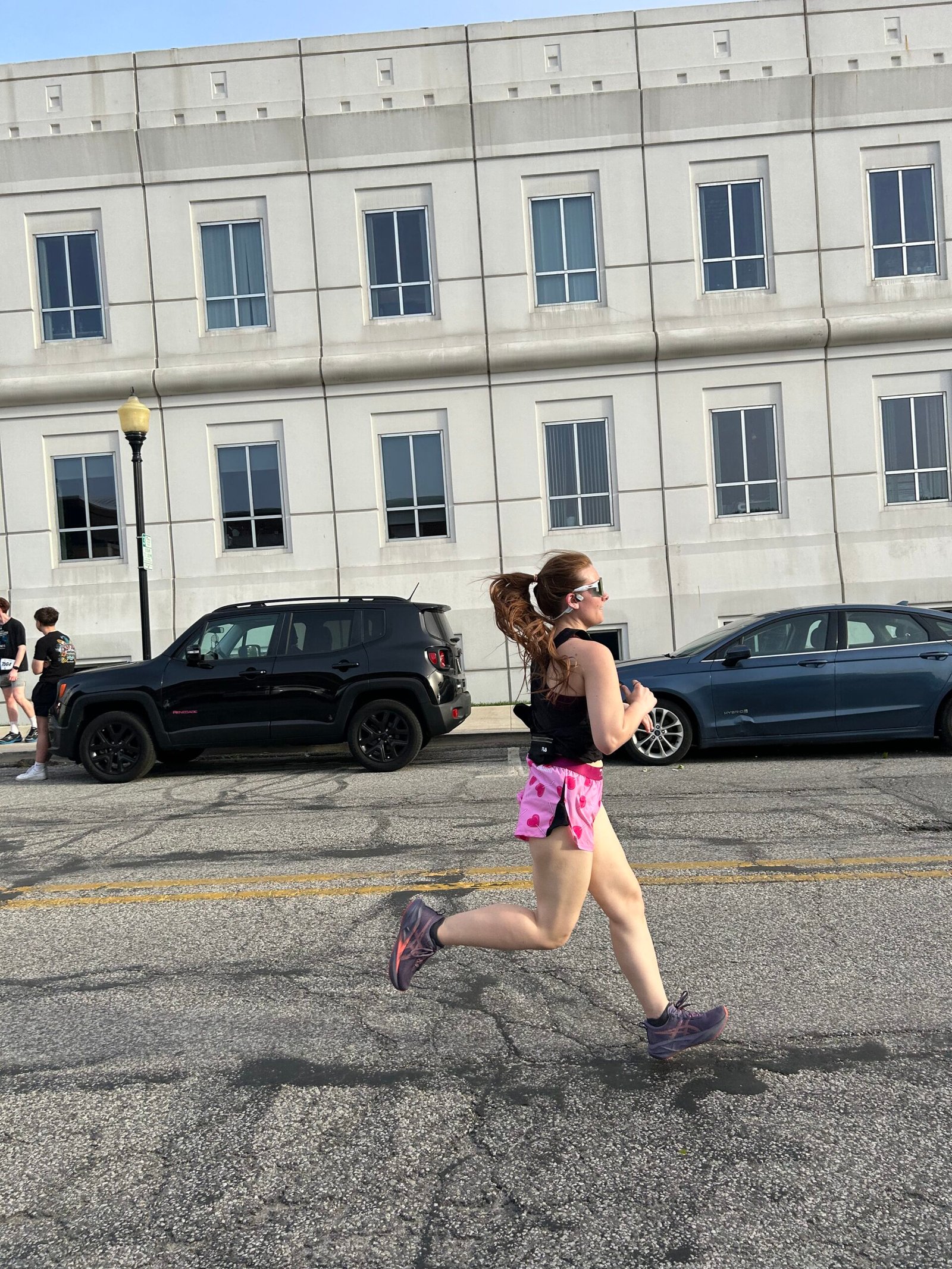
After
Same girl. Same love of running. Very different journey. 🩷
What Running Actually Does for Weight Loss
Running burns calories, that part is true. But it’s a bit more nuanced than just “burn more, lose more.” Here’s where running genuinely helps:
✅ Real Benefits of Running for Weight Loss
✓
It burns meaningful calories. A 150-pound person burns roughly 300–400 calories in a 30-minute run, depending on pace and terrain. Over time, that adds up — especially paired with mindful eating.
✓
It builds muscle. Especially in your legs and core. More muscle means a slightly higher resting metabolism over time, which works in your favor.
✓
It reduces stress. Chronic stress raises cortisol, which makes weight loss harder. This is especially true around your midsection. Running is genuinely effective at bringing stress levels down.
✓
It improves your relationship with your body. This one is underrated. When you start running, you start caring more about fueling well, sleeping enough, and treating yourself better. That mindset shift is huge.
✓
It’s sustainable long-term. Running is something you can do for your entire life. Long-term consistency will always beat any short-term crash approach.
⚡ Honest Truth
Running alone without paying any attention to what you’re eating is unlikely to produce significant weight loss for most people. The research on this is pretty consistent: exercise increases appetite, and our bodies are good at compensating. Weight loss is primarily driven by nutrition. Running is a powerful tool alongside that, not instead of it.
What Running Can’t Do
This is the part nobody likes to talk about, but I think it’s the most important. Being honest about what running can’t do will save you a lot of frustration.
🍟
Outrun a poor diet
You would have to run for a very long time to cancel out a high-calorie day. A single fast food meal can wipe out an entire hour’s worth of running. It’s just math — and knowing it saves you from the “I run all the time, why isn’t anything changing?” frustration.
🎯
Spot-reduce fat
Running doesn’t tell your body where to lose fat from. Your body decides that based on genetics and hormones. Running will reduce overall body fat over time, but you can’t target your belly or thighs specifically with mileage.
😴
Replace sleep and recovery
If you’re sleep-deprived or chronically stressed, elevated cortisol makes weight loss significantly harder. Running helps short-term, but it’s not a substitute for actual rest. You can’t run your way out of exhaustion.
📈
Work better the more you do it
More running is not always better. Too much mileage without recovery can stall weight loss, spike appetite, and raise injury risk. Running smarter — not longer — is the goal, especially early on.
⚡ Honest Truth
Some people’s bodies respond really well to running for weight loss. Others barely budge on the scale even with consistent mileage. Genetics, hormones, medications, sleep, stress, and what you’re eating all play a role. If running isn’t moving the needle for you, it doesn’t mean you’re doing it wrong — it means you may need to zoom out and look at the bigger picture.
How to Actually Make Running Work for Weight Loss
Here’s the practical part. If you want running to genuinely support your weight loss goals, this is what tends to work.
💪 What Actually Moves the Needle
1
Pair running with a modest calorie deficit. You don’t need to slash your food dramatically. A 200–300 calorie daily deficit is enough to produce slow, steady fat loss without tanking your energy for runs. Tracking for even a few weeks (not as a forever thing) just to understand your baseline can be really eye-opening.
2
Prioritize protein at every meal. Protein keeps you full, helps preserve muscle while you’re in a deficit, and supports recovery. Eggs, Greek yogurt, chicken, cottage cheese, legumes. Pick whatever works for your eating style. It genuinely matters more than most people realize.
3
Don’t eat back every calorie your watch says you burned. Fitness tracker calorie estimates can be off by 20–40%. Using them as exact math is a recipe for accidentally eating at maintenance. Use them as general motivation, not a permission slip.
4
Start with 2–3 runs per week and build slowly. Three runs a week is enough to see real benefits. You don’t need to be running every day, especially at first. Rest days are when your body repairs and adapts. Skipping them slows your progress, not speeds it up.
5
Be patient with the scale. Your weight can fluctuate 2–5 pounds in a single day based on water, sodium, hormones, and digestion. Look at trends over weeks, not days. And pay attention to how your clothes fit, how your energy feels, and what you can do now that you couldn’t before. The scale is one data point, not the full picture.
💡 Scale tip
If daily weigh-ins stress you out, try once a week at the same time. The morning, after using the bathroom, is usually the best time. Weekly averages give you a much clearer picture than day-to-day swings that are mostly just water fluctuation.
If You’re Not a Runner Yet
If you’re hoping running will help you lose weight but you haven’t really started yet, this is a great place to be. A few things I wish someone had told me:
🏃♀️ Starting From Zero
✓
Start with run/walk intervals. You do not need to run the whole time. Alternating 1 minute of running with 2 minutes of walking is a completely legitimate and effective way to build up. That’s literally how I started! Running to a tree line that was maybe 0.2 miles away and feeling like my lungs had stopped working.
✓
Get fitted for running shoes before anything else. This matters more than any watch or gear. Go to an actual running store and have them watch you walk or run. The right shoe depends on your foot and gait. My favorite are ASICS, but that doesn’t mean they’ll be yours.
✓
Give it 4–6 weeks before you judge it. The first few weeks of running can feel hard and discouraging. Your body is adapting. Most people hit a turning point around week 4 or 5 where it starts to actually feel like something they can do. And within runs themselves, don’t trust the first two miles. They lie. Your body starts to loosen up and find its rhythm a few miles in. Your mind will want to quit way before your body actually needs to. Don’t let those first few miles be the reason you stop.
✓
A slow mile still counts. Running doesn’t have to be fast or impressive to burn calories or build fitness. A 16-minute mile still burns calories. You’re still out there.
If your goal is to run your first 5K, I put together a free 10-week beginner training plan that starts with walk-run intervals and builds gradually. It’s everything I wish I’d had when I was just starting out.
Free Download
Your First 5K: A 10-Week Beginner Plan
Walk-run intervals, gradual build-up, and coaching notes for every week — completely free. No sign-up required.
📄 Download the Free PDF →
Running Won’t Do Everything. But It’ll Do More Than You Think.
Running is not a quick fix, and it’s not a cheat code. But when you pair it with eating in a way that supports your goals, give your body time to adapt, and let go of the expectation that the scale should move every single week. Slowly, sustainably, and in ways that go way beyond just the number on the scale.
Start where you are. Build slowly. And give yourself the grace to be in progress, not perfection.
If this post was helpful, you might also like: