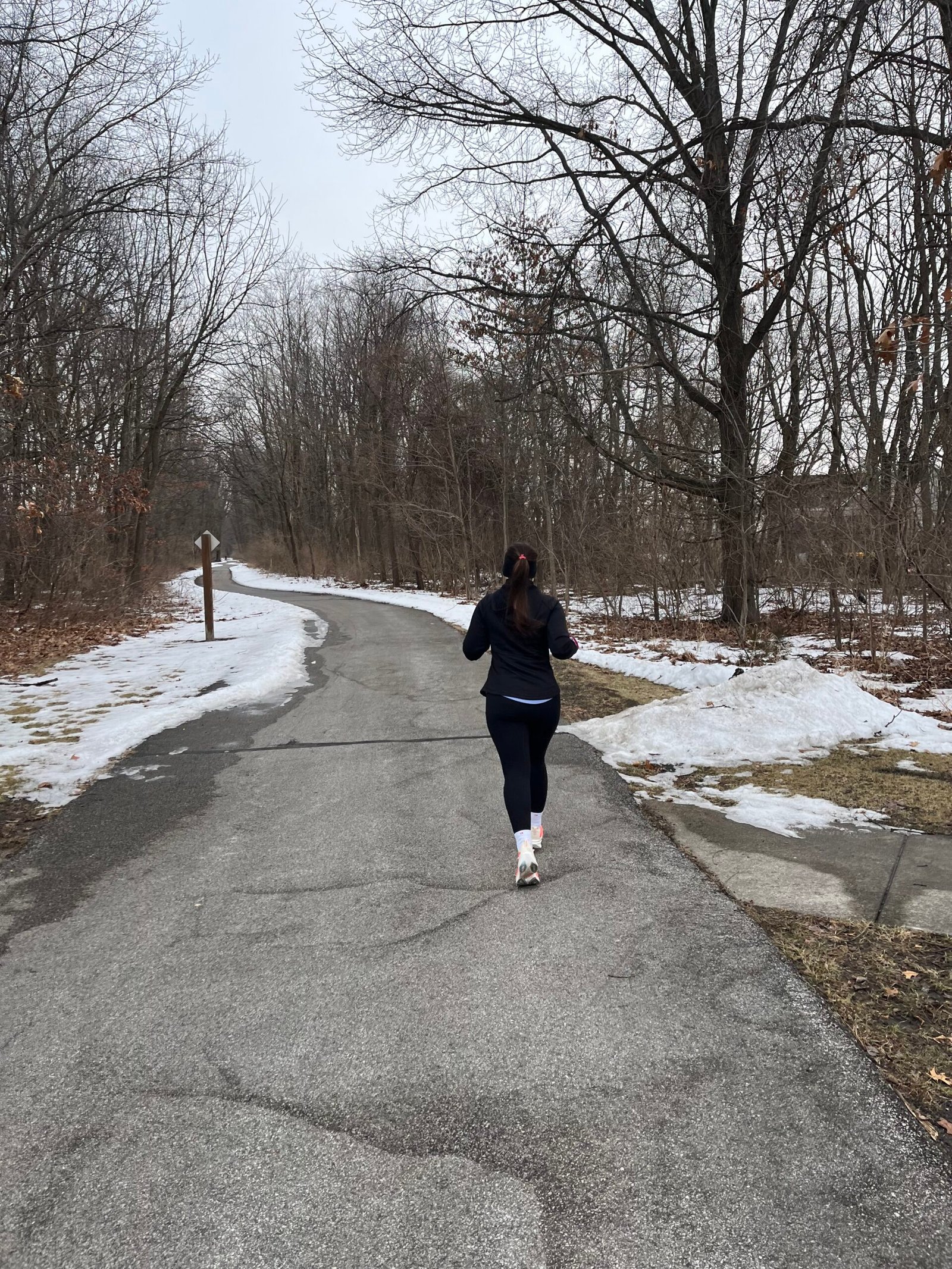

Running for beginners can feel overwhelming, but it doesn’t have to be. This guide covers everything you need to know about running for beginners — from what gear you actually need to how slow you should go. Running for beginners starts with one simple step: showing up. Whether you want to run your first 5K or just run for a minute without stopping, this running for beginners guide will help you get there. The most important thing about running for beginners is that you don’t have to be fast, fit, or experienced to start. Running for beginners is about consistency, patience, and learning to trust the process.
Running for Beginners: Where to Actually Start
You don’t have to be fast, fit, or experienced. You just have to show up.
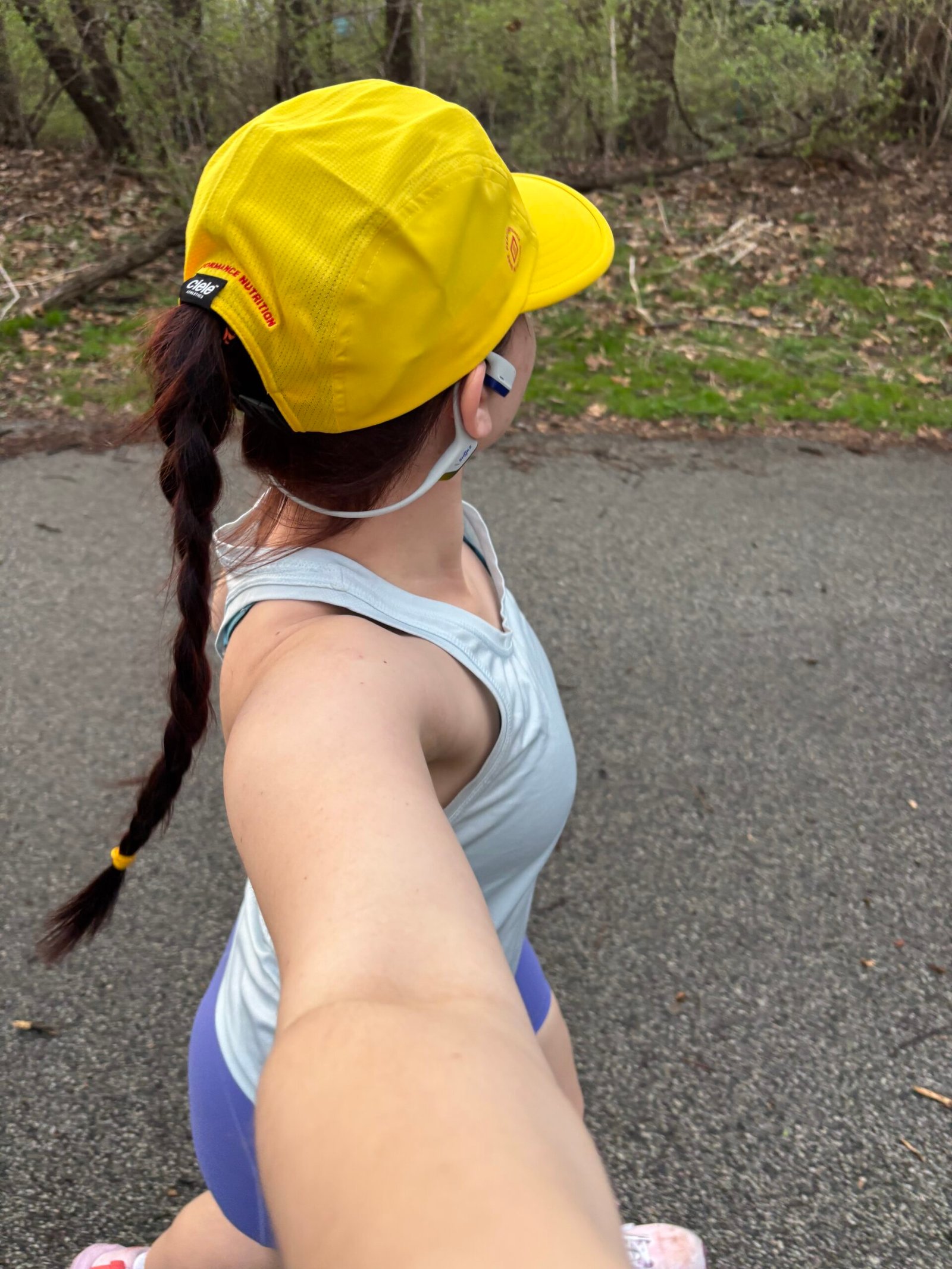
Every runner started somewhere. This is your somewhere. 👟
My husband asked me if I wanted to come to the trail with him while he ran with our dog Scout, and I told him I would not be running with them but sure, I’d come and walk. So that’s what I did. For months, every Friday after work, I walked while he ran with Scout. She was training for her first 5K and I was just along for the fresh air.
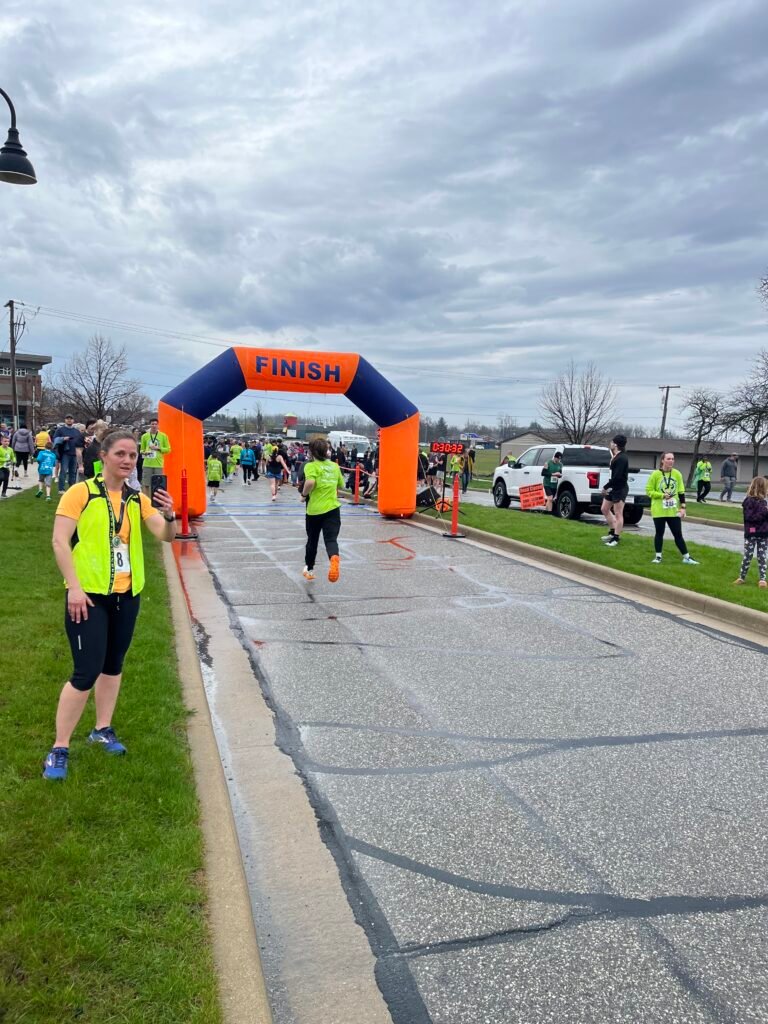
Then one day we decided that the following week I would try to run to the tree line. It wasn’t far, maybe 0.2 miles. I struggled SO badly. A few seconds in I was huffing and puffing, completely convinced my lungs had stopped working. But I kept showing up. Those few seconds of running turned into a minute, then a mile, then two — and two years later I crossed the finish line of my first half marathon.
My running journey has been anything but linear. An illness in 2024 had me out for most of the year. Injuries took a big chunk of 2025. But I always came back when I was able to, and I think that’s what actually matters. If you’re reading this wondering if running is for you, it might be. And you don’t have to be fast, fit, or experienced to find out. If you’re looking for a running for beginners guide that actually starts from zero, this is it.
Before You Do Anything Else: Your Starting Checklist
Before you lace up for your first run, here are the things worth doing first. You don’t need all of this to get started, but this is the order I’d do it in if I were starting over.
What You Actually Need to Get Started
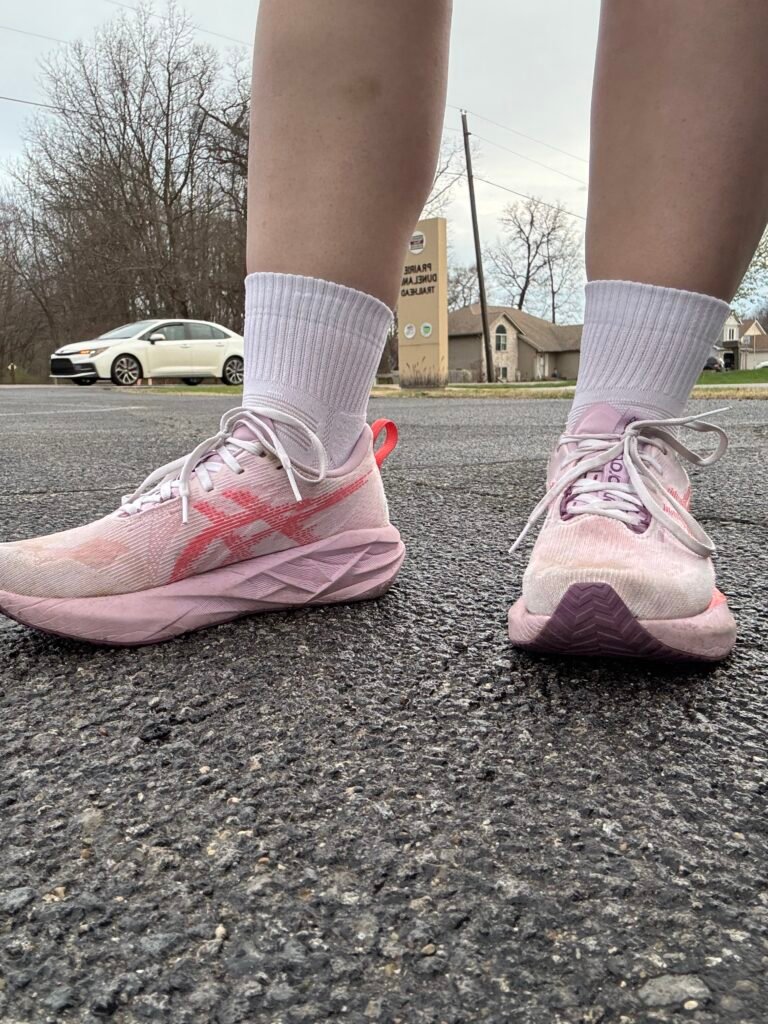
Here’s the honest truth: you need a good pair of running shoes and something to hold your phone if you don’t have pockets. That’s it. Everything else — the watch, the gear, the gels, the compression socks — comes later as you progress and figure out what works for you.
As you get further into your running journey, you might find yourself wanting more. A running watch to track your paces. Comfortable shorts that don’t ride up. A good pair of headphones. Recovery tools for sore legs. I have all of my current favorites linked in one place. You can browse by category and find what makes sense for where you are right now.
Shop My Running Favorites
Shoes, apparel, tech, and recovery gear — everything I actually use, organized by category so you can find what you need without the overwhelm.
Browse My Favorites →The Most Important Thing Nobody Tells You: Slow Down
If there is one piece of running for beginners advice I want you to take from this post, it’s this: you are probably going too fast. The number one reason new runners quit is because they feel like they can’t breathe and everything hurts. Most of the time, that’s because they started too fast.
When you start out, your only pace goal should be this: can you hold a conversation? If you can talk in full sentences while running, you’re at the right pace. If you’re gasping for air and can only get out one word at a time, slow down. This is sometimes called conversational pace, and it’s the foundation of building your aerobic fitness as a new runner. Don’t worry about speed yet, that comes later. Right now, just keep moving and keep breathing.
Along the same lines: start with very low mileage and build up gradually. Your cardiovascular system will adapt faster than your joints, muscles, and tendons. That means you might feel fine during a run and then feel the effects a day or two later. Adding too much too soon is one of the most common ways new runners get injured, and I know this from personal experience. Go slow, go short, and let your body catch up.
Consistency and Strength: The Two Things That Matter Most
You don’t need to run every day. When I started, I ran one day a week, then slowly built to two, then three. Now I run four days a week, but that took time. Starting with two days a week is completely fine and honestly smarter than jumping into five days and burning out by week three.
What you do need is consistency. Showing up twice a week every week will get you further than running every day for two weeks and then stopping. Progress in running is slow and it isn’t always linear. You’ll have great runs and terrible runs and everything in between. The ones who stick with it are the ones who keep coming back even after a bad week.
The other thing I cannot recommend enough is adding strength training at least once a week, especially when you’re just starting out. When you begin running, your body is going from nothing to impact, and that’s a big ask of your joints and muscles. Strength work, even just 20 minutes of bodyweight exercises, helps your body handle that load and significantly reduces your injury risk. When I added strength training to my routine, the calf pain I used to stop every five minutes to stretch through? Gone. It really does make that much of a difference.
Common Pain Complaints New Runners Deal With
Almost every new runner deals with some aches and pains in the beginning. Your body is adapting to something brand new, and that takes time. Here are some of the most common ones (I’ve delt with all of these), along with links to more detailed guides if you want to dig deeper.
Pain that is sharp, sudden, or doesn’t go away with rest is worth getting checked out by a doctor or physical therapist. Don’t push through something that feels wrong. Taking a few days off is always better than being sidelined for months.
Ready to Train for Your First 5K?
If your goal is to run your first 5K, whether that’s a race or just covering the distance, I put together a free 10-week training plan built specifically for beginners. It starts with two run days per week, uses walk-run intervals so you’re never thrown into the deep end, and builds up gradually so your body has time to adapt. It’s everything I wish I’d had when I was starting out.
Your First 5K: A 10-Week Beginner Plan
Walk-run intervals, gradual build-up, and coaching notes for every week — completely free. No sign-up required.
📄 Download the Free PDF →You Don’t Have to Be Ready. Just Start.
I said I would never run. The tree line was 0.2 miles away and I could barely make it there. Now I’m training for my second half marathon and have a full marathon on the schedule this year.
You don’t have to know what you’re doing. You don’t have to be fast. You just have to show up and keep coming back.
If this post was helpful, you might also like:
- The Wellness Hub — more guides for building healthy movement habits
- The Injury Series — in-depth guides for the most common running injuries
- Training & Progress — follow along with my half marathon training