

Summer running doesn’t have to wreck you. Learning how to survive running in the heat is essential for anyone training for a fall race. Here’s what to wear, how to hydrate, and why electrolytes matter most. I’m sharing my best tips for running in the heat — including what to wear, how to stay hydrated, why electrolytes matter more than you think, and the products that make hot weather training actually survivable. If you’re training for a fall marathon or half marathon this summer, this guide is for you.
How to survive summer training runs — what to wear, how to hydrate, and why electrolytes are non-negotiable in the heat.
Summer is officially here and if you’re anywhere in the US right now, you’ve probably already felt it. The temps are climbing, the humidity is real, and your morning runs have gotten a whole lot harder. But if you’ve got a fall race on the calendar — a half marathon, a full marathon, anything — this is your training season. There’s no skipping it. So let’s talk about how to actually survive it.
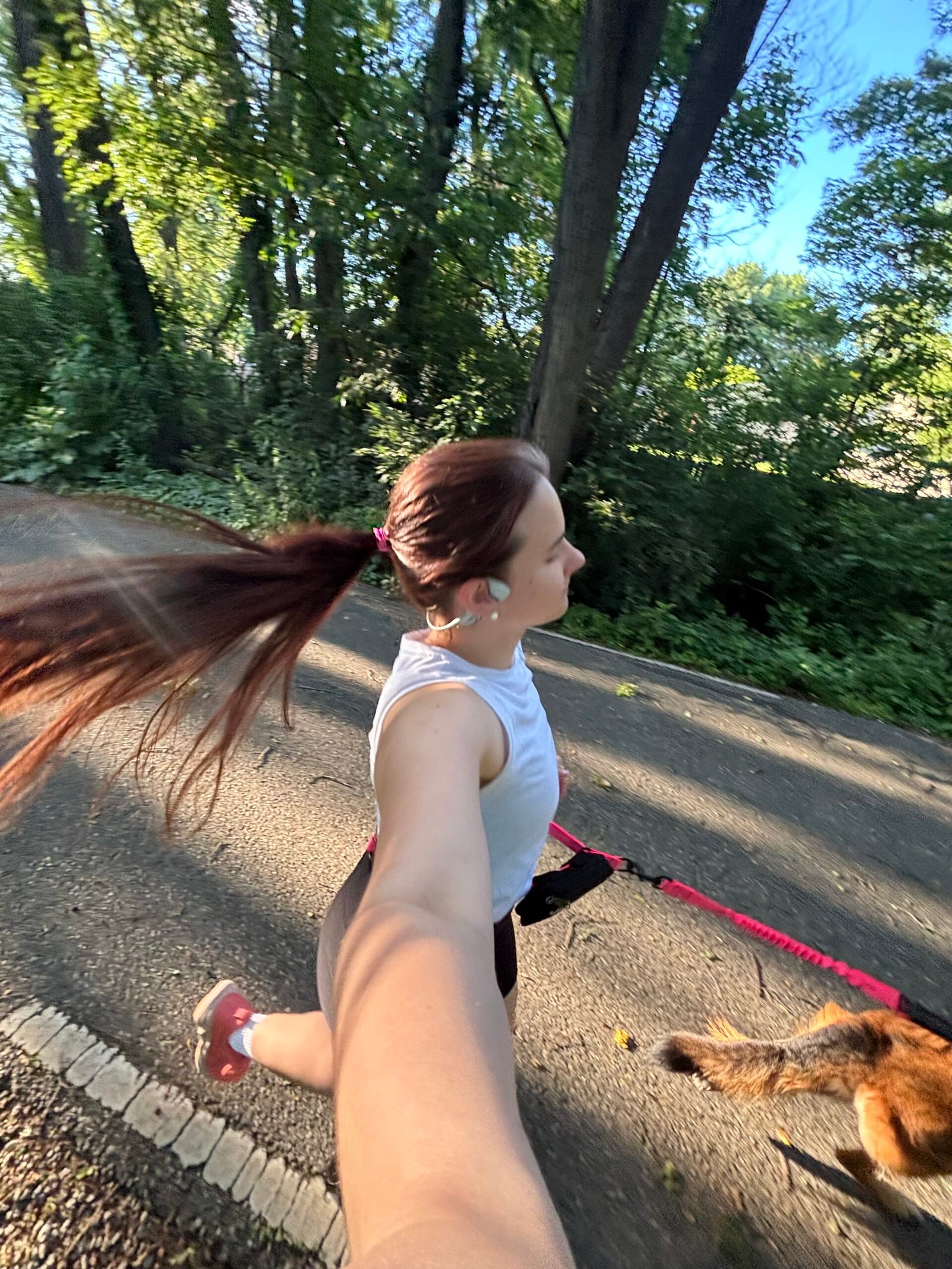
I’m not going to sugarcoat it: running in the heat is HARD. It’s slower, it’s sweatier, and it demands more from your body than a cool spring morning ever will. But it’s also where a lot of the real work happens. And with the right approach, and the right gear, you can get through summer training feeling strong instead of wrecked.
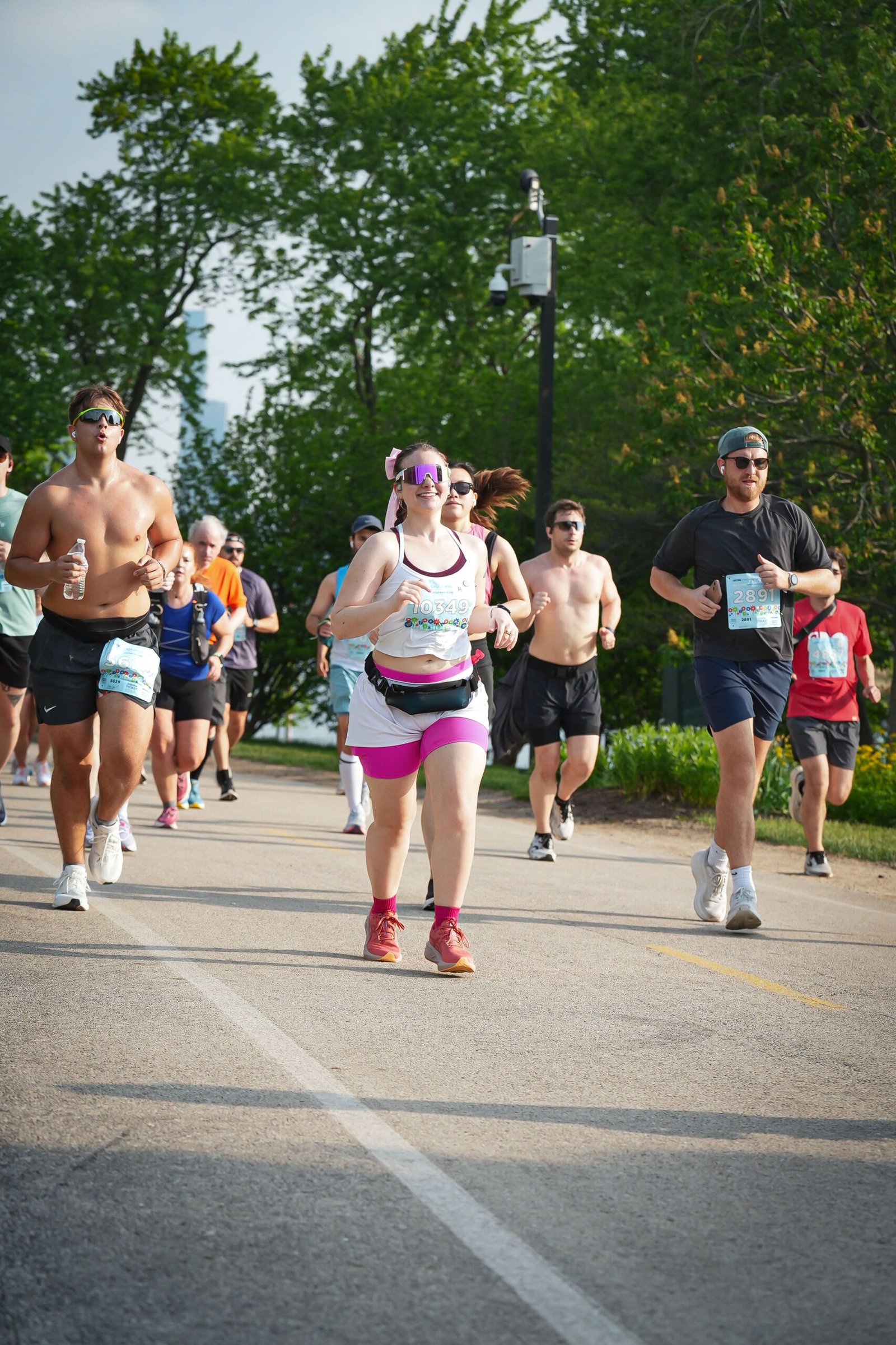
Run Early — Like, Really Early
This is the single most impactful thing you can do in the summer. Temperatures peak in the afternoon and stay elevated well into the evening. Your best window is before 7am, ideally before the sun is fully up and the pavement has started radiating heat back at you.
I know not everyone can make that work with their schedule, and I get it. I work a full time office job. If morning isn’t an option, run as early in the evening as you can and pick shaded routes whenever possible. Even 10 degrees of difference between an exposed road and a tree-lined path is noticeable when you’re already hot.
Slow Down and Ditch the Pace Goals
This one is hard if you’re Type A about your training paces like me, but it is so important. Heat adds significant stress to your cardiovascular system. Your heart is working overtime just to cool you down, which means there’s less left for actually running fast. Trying to hit your normal paces in summer heat isn’t toughness, it’s a fast track to overheating, injury, or bonking.
Run by effort in the summer, not pace. If your easy run feels easy, you’re doing it right. Even if your Garmin says you’re a full minute per mile slower than usual. The fitness is still happening. Your body is adapting. Trust the process.
Hydrate Before You Even Walk Out the Door
By the time you feel thirsty on a run, you’re already behind. Summer running demands that you think about hydration before the run, not just during it. Aim to drink water consistently throughout the day, and have 8–16oz of water in the 30–60 minutes before you head out.
On runs over 45 minutes in the heat, you need to be carrying water with you. This isn’t optional. A handheld bottle or a running vest are both great options depending on how far you’re going. I personally use both depending on the distance.
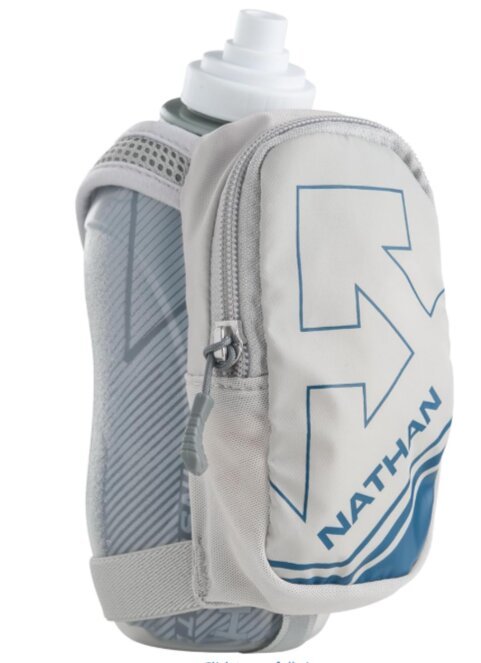
Nathan SpeedDraw Plus Insulated Handheld Water Bottle
A handheld is my go-to for shorter summer runs. The insulated design actually keeps your water cold, which matters more than you’d think when it’s 80° outside — warm water is the least motivating thing in the world mid-run. The grip-free sleeve means your hand isn’t death-clutching it the whole time, and the little storage pocket fits your phone, keys, and a couple of chews.
Shop on Amazon → * Affiliate link — I earn a small commission at no extra cost to you.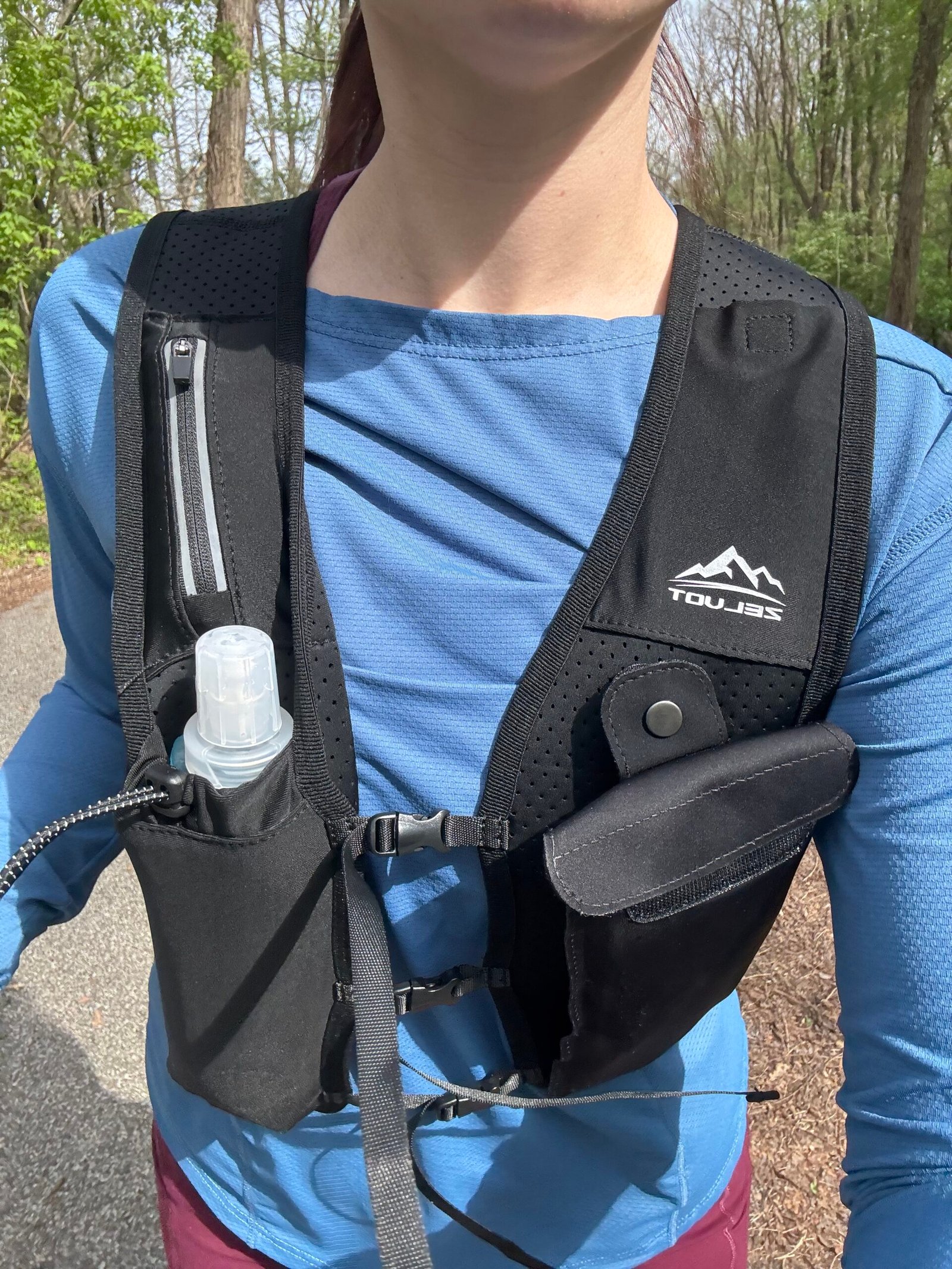
Zelvot Adjustable Running Vest
For long runs — anything over 7-8 miles in the summer — a vest is the move. You can carry more water, more fuel, and your phone without juggling anything in your hands. This one is lightweight and breathable enough that you barely notice you’re wearing it, which is exactly what you want when it’s already hot out. The adjustable fit means it won’t bounce around either.
Shop on Amazon → * Affiliate link — I earn a small commission at no extra cost to you.Electrolytes Are Non-Negotiable in the Heat
This is the big one! Drinking water alone is not enough during summer runs and a lot of runners don’t realize this until they’re dealing with cramps, nausea, dizziness, or a run that falls completely apart in the last few miles.
When you sweat, you lose more than just water. You lose sodium, potassium, calcium, and magnesium — the electrolytes that keep your muscles firing and your body functioning. If you only replace the water, you dilute what little sodium you have left. That’s when things go sideways.
The good news is that replacing electrolytes doesn’t have to be complicated. SaltStick makes two products that are a staple for a lot of runners, and I want to break down the difference because they’re not the same thing.
| Product | Sodium per Serving | Format | Best For |
|---|---|---|---|
| SaltStick FastChews | 100mg / 2 chews | Chewable tablet | Frequent, smaller doses on the go |
| SaltStick Caps | 215mg / 1 capsule | Swallowed capsule | Higher concentration, less frequent dosing |
Both are great. It really comes down to personal preference and what you can manage on the run. The chews are easier to take while moving and absorb faster. The caps give you more sodium per dose and are easy to tuck into a vest pocket.
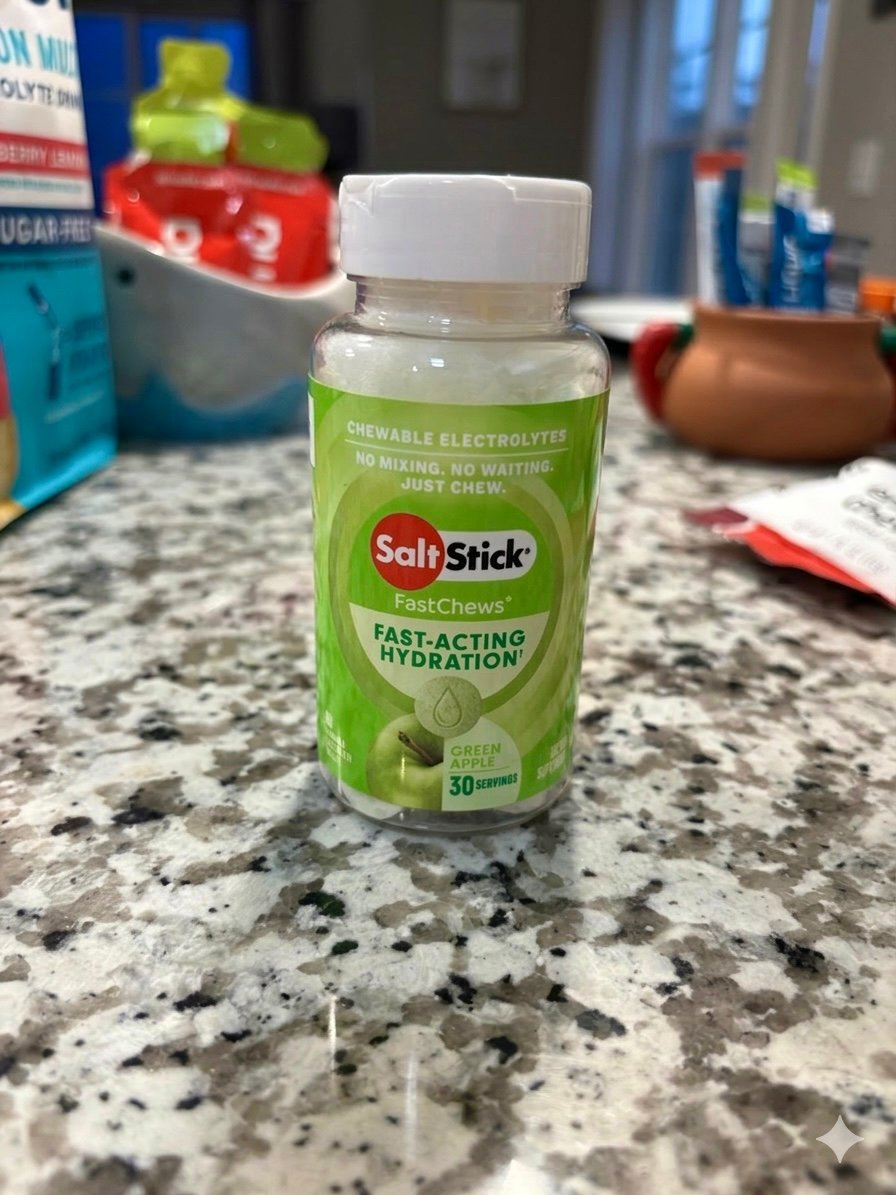
SaltStick FastChews — Watermelon
These are my personal favorite for mid-run electrolyte replacement. They’re chewable, no water required, and they actually start absorbing through the tissue in your mouth almost immediately. This means faster relief when cramps start creeping in. The sour apple flavor is genuinely good, not in a fake-candy way. Take 2 every 30 minutes during your run and adjust based on how you’re feeling. If you start cramping or feeling off, take more.
Each 2-chew serving gives you 100mg sodium, 30mg potassium, 10mg calcium, and 6mg magnesium — a complete electrolyte profile that mirrors what you actually lose in sweat.
Shop on Amazon → * Affiliate link — I earn a small commission at no extra cost to you.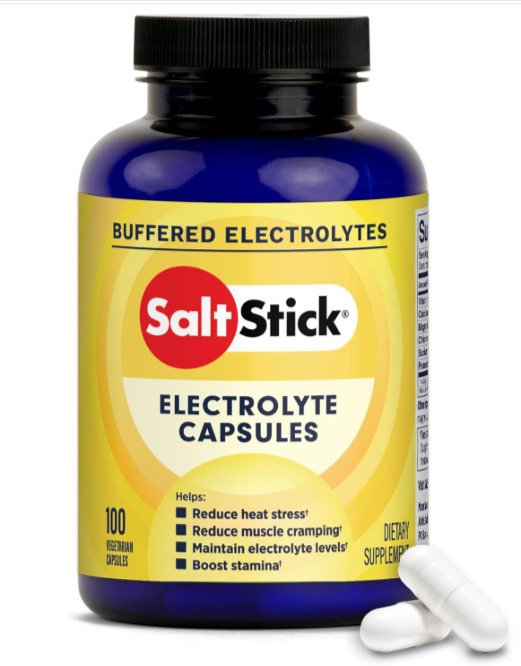
SaltStick Electrolyte Caps
If you know you’re a heavy sweater or you’ve had issues with cramping even when you thought you were drinking enough, the Caps are worth having in your rotation. At 215mg of sodium per capsule, they pack more than double the sodium of the chews in a single dose. Take one every 30–60 minutes with water. Two caps an hour puts you at 430mg of sodium, which covers most runners in moderate heat. If you’re running hard in serious humidity, you may need more.
They also include Vitamin D, which helps your body actually absorb the calcium in the formula. It’s a nice touch that the chews don’t have.
Shop on Amazon → * Affiliate link — I earn a small commission at no extra cost to you.What to Wear for Summer Runs
Summer running clothes have one job: get sweat off your body as fast as possible and let the heat escape. You want lightweight, moisture-wicking fabrics in lighter colors. Less is more — but what you do wear matters.
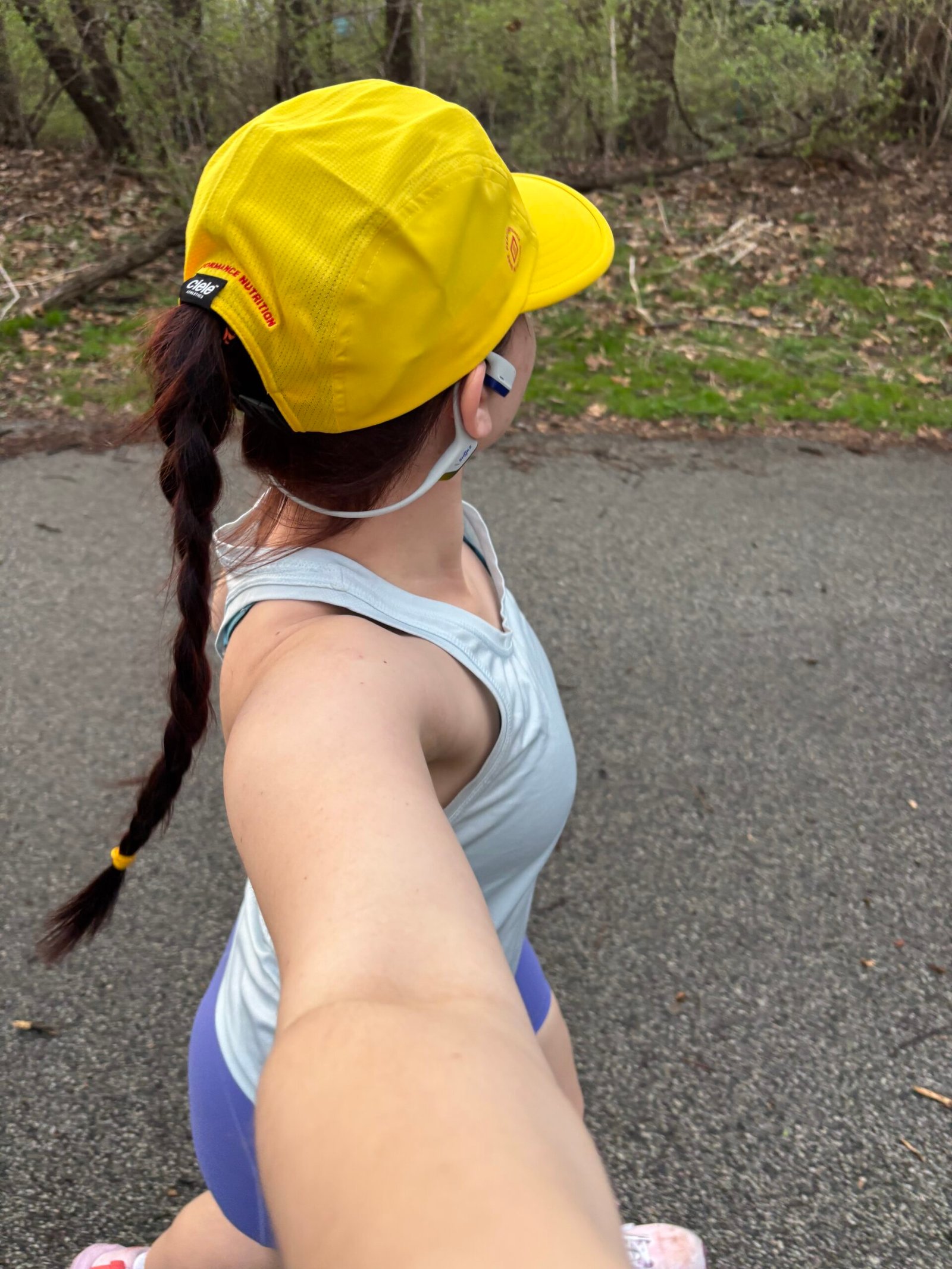
Aeuui Mesh Racerback Tank Top
Racerback tanks are honestly what I run in most of the time — summer or not — and this one is a go-to for hot weather specifically. The mesh construction means air is actually moving through the fabric, not just sitting against your skin. It’s lightweight without feeling flimsy, and the racerback cut keeps it from shifting around mid-run. If you’re going to be out there in the heat, this is the kind of top that makes it more bearable.
Shop on Amazon → * Affiliate link — I earn a small commission at no extra cost to you.For bottoms, I’m in biker shorts for basically every run — my IUGA biker shorts have been my go-to through every season. High-waisted, deep pockets, they don’t ride up, and they wick sweat well. Check out my Shop My Favorites page for the full link.

Sprints Race Day Performance Running Cap
A hat is one of the most underrated pieces of summer running gear. It blocks the sun from your face, keeps sweat out of your eyes, and honestly just makes you feel a little more put together out there. Sprints hats are so fun — the patterns are the best part. They’re lightweight and quick-dry, which matters because a heavy, soaked hat on a hot run is miserable. One size fits most, which makes ordering easy. If you’ve been skipping a hat on summer runs, this one will change your mind.
Shop on Amazon → * Affiliate link — I earn a small commission at no extra cost to you.Know When to Call It — and When to Adjust
Summer training requires a level of flexibility that other seasons don’t. Some days the heat index is going to be genuinely dangerous, and pushing through isn’t toughness, it’s a risk not worth taking. Heat exhaustion and heat stroke are real, and they can escalate fast.
Know the warning signs: if you stop sweating when you should be sweating, feel confused or disoriented, develop chills in the heat, or feel your heart racing in a way that doesn’t feel normal, stop immediately. Find shade, get water on your skin, and get help if you need it.
On days that are hot but manageable, cut your planned distance if you need to. A 6-mile run that you finish safely is always better than a 10-mile run that ends badly. Give yourself permission to adjust, and remember that heat training is a form of stress. It adapts you, but only if you recover from it.
Everything in One Place
Summer Training Is Hard — That’s Kind of the Point 🌞
Every runner who has ever crushed a fall race built that fitness in the summer. The heat, the slower paces, the extra sweat, it all adds up to something real. Stay consistent, protect your body, take your electrolytes, and give yourself grace when the conditions are tough.
Drop a comment — how are you surviving summer training this year? What’s your go-to electrolyte strategy? 🧂
Want more training content? Follow along on the Training & Progress page, or check out Shop My Favorites for all my go-to gear in one spot.