
Foot numbness during running is more common than you think and usually more fixable than you’d expect. If your foot goes numb when running, you’re not alone. Foot numbness during running can happen for a number of reasons including shoe fit, sock thickness, lacing technique, insole support, and even running form. Understanding why your foot goes numb when running is the first step toward fixing it. Most cases of foot numbness during running are caused by compression — either from a shoe that’s too tight or too narrow, socks that take up too much space, or laces that are tied too firmly across the top of the foot. If your foot goes numb when running and you’ve already tried adjusting your laces without success, the fix may be simpler than you think. This guide covers every major cause of foot numbness during running and walks you through exactly what to do about each one.
Why Does My Foot Go Numb When I Run?
Every cause and fix
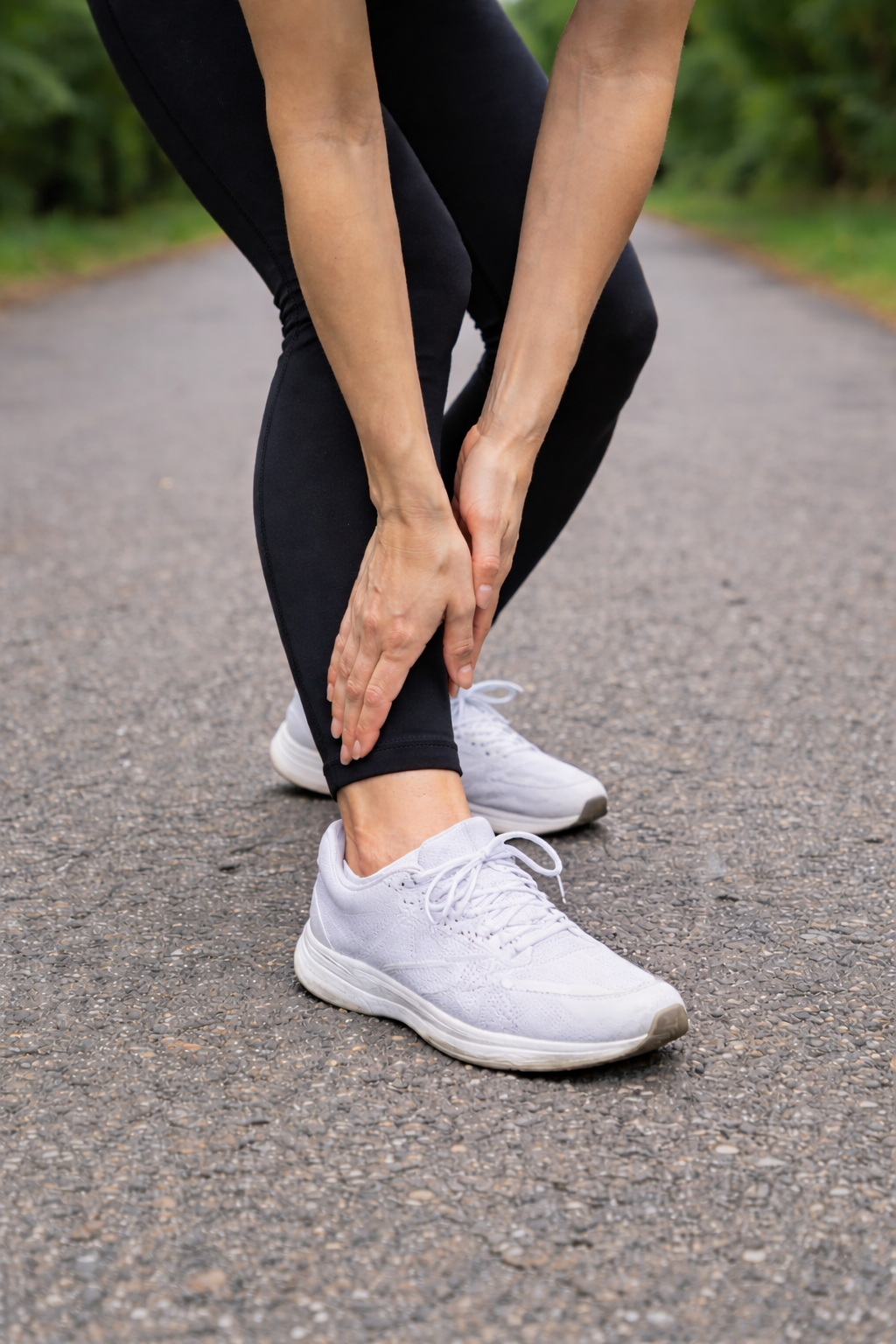
Foot numbness during a run is frustrating — but it’s usually fixable. 👟
My brother just ran his first 5K — which, first of all, huge deal and I am so proud of him. But when we were talking about the race afterward, he mentioned something that immediately made me go oh, I know what this could be. His foot had been going numb toward the end of his runs.
I’ve been there. I dealt with the same thing when I first started running, and it turned out to be something pretty simple to fix. But before we get into what was going on with him specifically, I want to break down all the possible reasons a foot can go numb during a run because there are actually quite a few, and they don’t all have the same solution.
Why Does Foot Numbness Happen During a Run?
Numbness happens when something puts pressure on a nerve or restricts blood flow to an area. During running, several things can cause this ranging from totally fixable in five minutes to worth a conversation with your doctor. Here’s a full breakdown.
Your Shoes Are Too Tight or Too Narrow
This is the most common cause, and it’s sneaky because your shoes might feel totally fine when you first lace up. Here’s the thing, your feet swell during a run. The longer and harder you run, the more blood flows to your feet and the more they expand. A shoe that fits perfectly at mile one can start compressing your foot by mile two or three.
When the shoe is too tight or too narrow, that swelling has nowhere to go. It creates pressure on the nerves running through the top of your foot, which causes that familiar numb, tingly, or “dead foot” feeling. The whole foot going numb — rather than just the toes — is a classic sign of this kind of compression.
the fixTry lacing with a little more room across the top, go up a half size, or look for a shoe with a wider toe box. If lace adjustments don’t help (and they often won’t when width is the real issue), the shoe structure itself may just not be the right fit for your foot shape.
Your Laces Are Tied Too Tight
Even in the right size shoe, lacing too firmly across the top of your foot can compress the nerves that run there. Some runners crank their laces down because they’re afraid of heel slippage (which completely makes sense) but it can create a pressure point that builds into numbness over the course of a run.
the fixTry loosening your laces, especially in the middle section. You can also experiment with alternate lacing patterns that skip a crossover at the trouble spot. Elastic laces are another option since they flex as your foot swells instead of holding firm.
Your Socks Are Too Thick
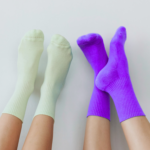
This one surprises a lot of people. Thick, cushiony socks eat up interior space in your shoe. This is space your foot needs, especially as it swells mid-run. A normal-fitting shoe plus a thick sock can create just as much compression as a shoe that’s too small.
the fixSwitch to a thinner, performance-specific running sock and see if that gives your foot a little more breathing room inside the shoe.
Your Insole Isn’t Right for Your Foot
The stock insole in most running shoes is pretty generic. If you have a high arch, flat feet, or any quirk in your foot structure, that insole may not be supporting you correctly. Your foot ends up working harder to stabilize itself, and certain areas get compressed or fatigued in ways that lead to numbness over time.
the fixTry an aftermarket insole designed specifically for running. A good insole lifts and supports your arch in a way that distributes pressure more evenly across your entire foot.
Your Running Form or Foot Strike
How your foot lands with each stride affects where pressure concentrates. Heavy heel striking can create repetitive impact that affects nerve function over longer distances. Over-pronation, which is when your foot rolls inward too much, can also compress certain nerves with each step.
the fixThis one is harder to self-diagnose. A visit to a running store for a gait analysis, or a session with a running coach, can be really eye-opening if you suspect form is the issue.
Morton’s Neuroma
Morton’s neuroma is a condition where the tissue around a nerve in the ball of your foot thickens, usually between the third and fourth toes. It can cause numbness, tingling, or a burning sensation and is sometimes described as feeling like you’re standing on a pebble. It’s often aggravated by tight shoes and repetitive impact.
the fixThis one really does need professional attention. See a podiatrist or sports medicine doctor. Treatment can range from switching shoes and adding metatarsal pads to more involved options depending on severity.
Nerve or Circulatory Issues
Less commonly, foot numbness during exercise can be related to something systemic,like peripheral neuropathy, poor circulation, or tarsal tunnel syndrome (essentially carpal tunnel, but in your ankle). These are less likely if the numbness only happens during runs and resolves quickly after you stop, but worth mentioning.
the fixIf your numbness is persistent, worsens over time, doesn’t go away after stopping, or comes with pain or weakness, please see a doctor.
What Was Actually Happening With My Brother
Here’s the situation he described:
- His whole foot was going numb — not just the toes
- It happened toward the end of his runs, not at the start
- He tried loosening and tightening his laces — neither helped
- He’s been running in Hoka Cliftons, fitted at a running store a couple months ago
When he told me the lace adjustments weren’t making a difference, that was the tell. If loosening the laces doesn’t fix numbness, it almost always means the issue isn’t the laces and it’s the shoe itself.
The Clifton is a fantastic shoe — super cushioned, great for newer runners, and the fact that it was the most comfortable option at the store makes complete sense. But the Clifton runs on the narrower side. And here’s the thing about running store fittings: they’re done while you’re standing still or after a short jog on a treadmill — not at mile 2.5 of a 5K when your feet have been swelling for 25+ minutes.
His feet were probably fine in the shoe at first. But as the run went on, his feet swelled, the shoe didn’t have enough width to accommodate that, and the compression started cutting off nerve sensation. Whole foot numb, toward the end of the run — that’s a textbook fit issue.
My advice to him: Go back to a running store and explain exactly what’s been happening. Ask to try a wide version of the Clifton, or explore other shoes with a more generous toe box altogether. A good running store will absolutely work with you on this as that’s exactly what they’re there for.
How to Fix a Foot That Goes Numb When Running
While you’re figuring out whether a shoe change is needed, here are a few lower-cost things to try right away. These won’t fix a true width problem permanently, but they can help while you work out a longer-term solution.
DANISH ENDURANCE Ultra-Comfort Running Socks
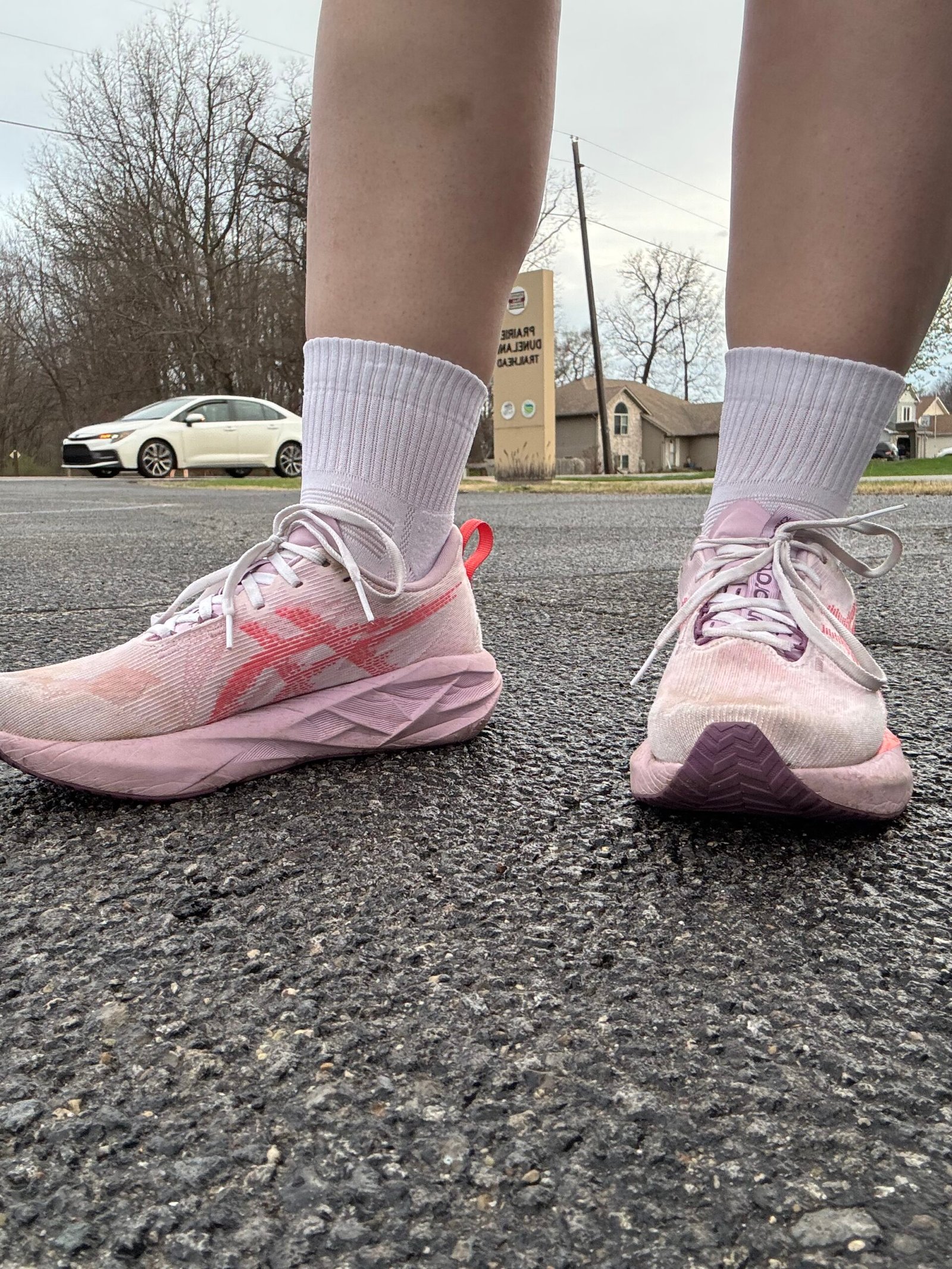
If you’ve been running in thicker everyday socks, switching to a thin performance running sock is the easiest first thing to try. It frees up interior shoe volume, which matters more than people realize when your feet are swelling mid-run. These are breathable, don’t bunch, and work great for everything from 5Ks to longer distances.
Shop on Amazon → * Affiliate link — I earn a small commission at no extra cost to you.Hylaea No Show Running Toe Socks
I know — toe socks look a little silly. But hear me out. By separating each toe individually, they eliminate the compression that happens when toes are squished together inside a tight shoe. Less bunching, less pressure on the nerves between your toes. They’re moisture-wicking, cushioned, and made specifically for running. Worth a try if regular socks aren’t cutting it.
Shop on Amazon → * Affiliate link — I earn a small commission at no extra cost to you.CURREX RunPro Insoles
The stock insoles in most running shoes are basic at best. Swapping them out for something that actually supports your arch changes how pressure is distributed across your whole foot — which can directly reduce nerve compression. CURREX RunPro insoles come in different arch profiles, so you’re not just slapping in a generic cushion. They’re designed specifically for running shoes and make a real difference.
Shop on Amazon → * Affiliate link — I earn a small commission at no extra cost to you.Lock Laces Elastic No-Tie Shoelaces
If lace tension is a contributing factor, even as a secondary issue, elastic laces are genuinely worth trying. They expand slightly as your foot swells throughout a run, which means you’re not hitting a compression wall at mile two when your foot has grown and the laces are no longer giving. Easy to install, easy to adjust, and a lot of runners swear by them.
Shop on Amazon → * Affiliate link — I earn a small commission at no extra cost to you.The Bottom Line
Foot numbness during a run is really common, especially for newer runners still figuring out their gear. Most of the time it comes down to something fixable: shoe fit, sock thickness, lacing, or insole support. The key is paying attention to when it happens and where on your foot, because those details point you toward the right solution.
Start with the easy stuff. Try thinner socks, elastic laces, or a new insole. If those don’t work, go back to a running store and have an honest conversation about your shoe fit. You’d be surprised how often that’s all it takes.
Has this happened to you? Drop it in the comments — I’d love to know what ended up being your fix. 👇
If you found this helpful, you might also like:
- Runner’s Knee: What It Is and How to Deal With It
- The Wellness Hub — more guides for running healthy and feeling good
- Training & Progress — follow along with my half marathon journey