
Coming back from runner’s knee taught me things about myself that no race ever could.
Running after injury is one of the most mentally challenging things I’ve done as a runner. I used to lace up without thinking. This time, I hesitated. Would my knee blow up immediately? Could I even make it 0.25 miles before I had to walk? Everything felt uncertain. For two months, every attempt to run had ended in the worst knee pain I’d ever experienced. And the injury didn’t just stop my training — it messed with my head.
Before I got hurt
I was coming off two years of constant improvement. I had shaved six minutes off my mile time. I had a race on the calendar every month. I felt unstoppable.
Then I wasn’t.
6 minutes
Shaved off my mile time in two years
Every month
A race on the calendar, no stopping
2 months
Sidelined by runner’s knee — completely
I had become another victim of runner’s knee — something I had never even heard of in my short two years of running. After months of physical therapy, I finally made it to my first run back. The hours were long. The progress was slow. Days dragged into weeks, and weeks into months. But I had done the work. I had been consistent with PT. Physically, my body could handle the load.
Mentally? That was another story.
The question injury leaves you with
All I wanted to do was pick up the pace and get back to normal. But injury has a way of humbling you. It strips away the numbers, the pace charts, the medals, and leaves you with one simple question:
Maybe running four days in a row when you’re not used to it isn’t the best idea. (I learned that the hard way.) Maybe feeling “unstoppable” isn’t the same thing as being sustainable. I think the version of me that felt unstoppable needed this lesson. Not to break me, but to slow me down. If you’re dealing with the physical side of runner’s knee too, my post on foam rolling for runner’s knee relief covers the exact tools that helped me get back on my feet.
Learning to trust myself again
Running after injury means learning to trust your body all over again. That first run back wasn’t about getting back to who I was. It was about becoming someone smarter. Slower, maybe. More cautious. But stronger in a way that doesn’t show up on a watch.
I had to remind myself of the work I had put in. The consistency. The patience. The gradual decrease in pain. Eventually, my body was ready — even if my mind was still catching up.
Not every ache meant disaster. Not every sensation was a setback. My brain remembered the pain and wanted to protect me — but I had to learn the difference between fear and warning.
Strength isn’t pushing through pain. It’s protecting the ability to keep going. That realization changed everything about how I train. It’s also why I now pay close attention to early warning signs like shin splints before they become something bigger.
The boring work matters most. The targeted PT exercises. The slow strength rebuild. The patience. That’s what actually brought me back.
Where I am now
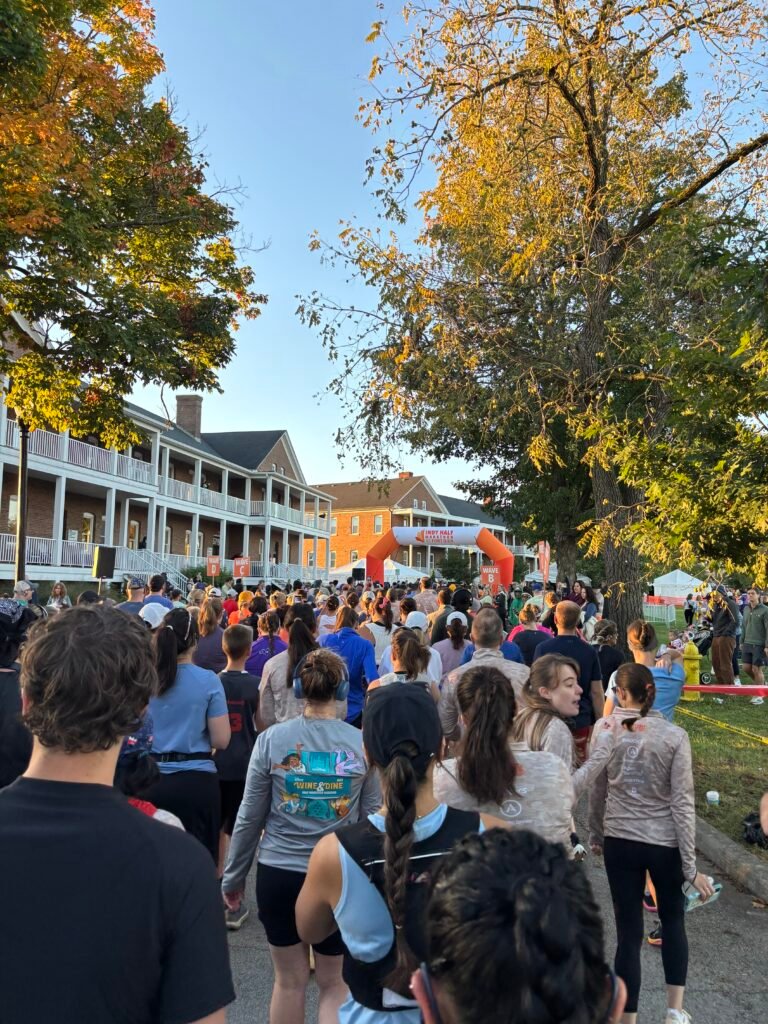
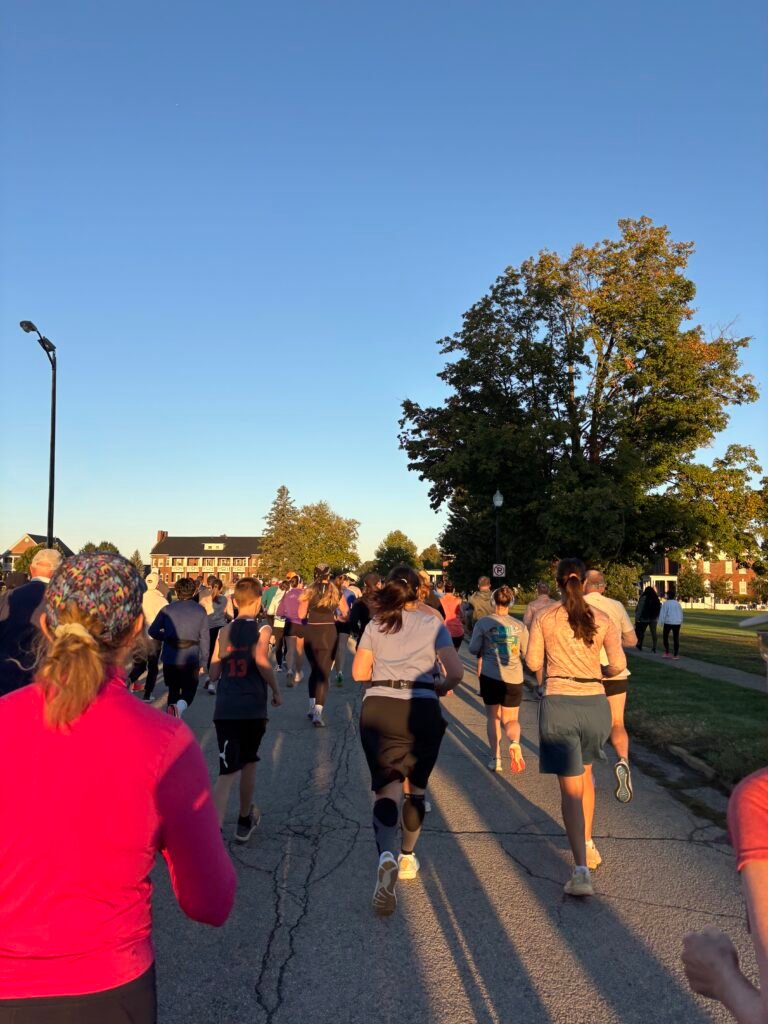
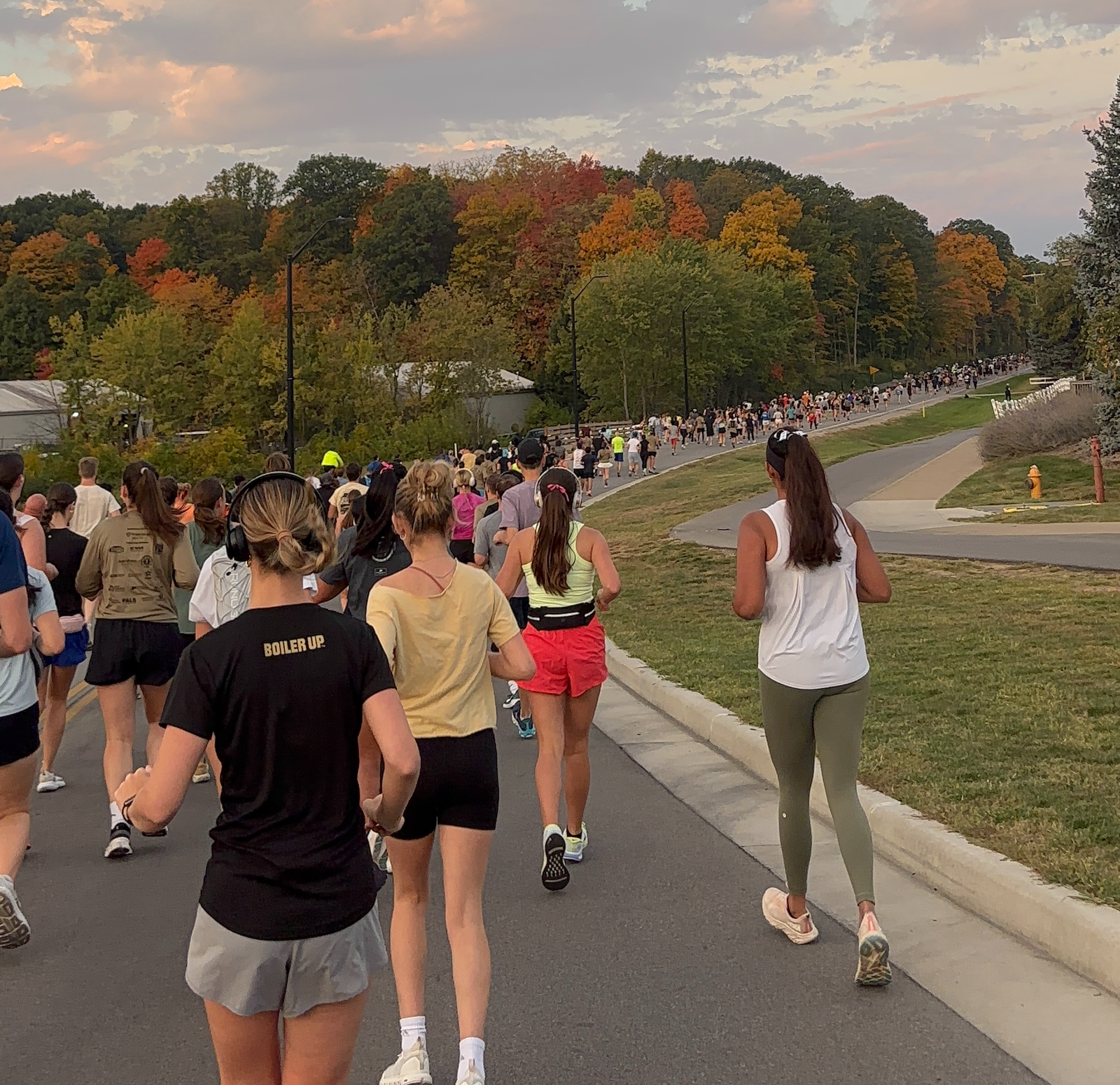
I did make it back. I trained for my first half marathon in the short time I had after getting injured, and I crossed that finish line. I’m training again now for another half and a full marathon this November. Running after injury changed how I approach every single training run — and honestly, I think it made me a better runner for it.
The injury still lives somewhere in the back of my mind. Sometimes it whispers. Sometimes it makes me pause. But now I know the difference between fear and warning. I know how to listen. I know when to pull back. And I make sure to take care of my body with the small things — like understanding what running is actually doing to my body over time.
This time, I’m running for longevity. 🏃♀️🌸
If you’re in the middle of coming back from something — I see you. It’s hard and it’s slow and it’s worth it. Keep going.