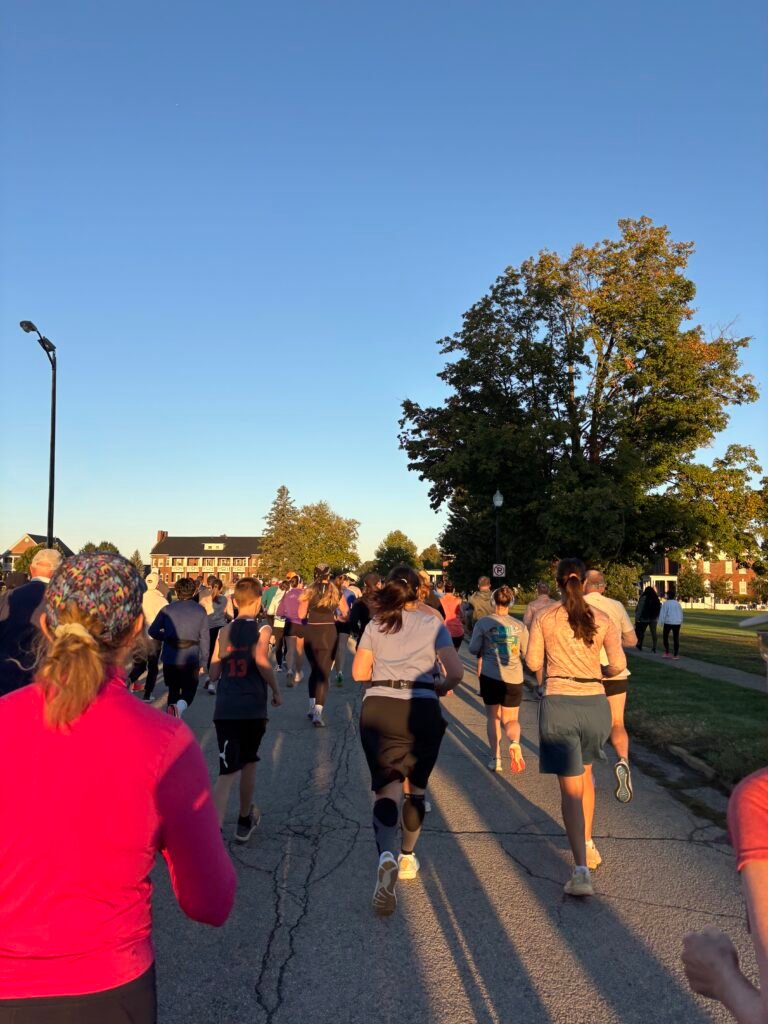

Snow running looks peaceful and pretty. Actually running in it? Completely different story.
Running in the snow is one of those things that looks magical from the window and feels completely humbling once you’re actually out there. Some days you feel strong and proud afterward — and others you turn around early because it’s just not happening. Both are part of winter running. If you’ve ever wondered why snow runs feel so much harder than normal runs, you’re not imagining it.

Why running in the snow feels so much harder
Your footing is never stable
Snow is constantly shifting under you. Even when it looks packed down, it’s uneven and unpredictable. Your ankles, calves, and glutes are working overtime just to keep you upright — every step is basically a balance exercise.
You lose traction
Your body knows when the ground is slippery. Without thinking about it, you shorten your stride and tense up to avoid slipping. That tension adds up fast and makes your legs fatigue much sooner.
Fresh snow adds real resistance
Running through fresh snow is like running through sand. Your foot sinks and you have to push through it with every step. It turns an easy run into strength training real quick.
Cold air makes breathing feel harder
Cold, dry air feels sharp in your throat and lungs. Your body has to warm the air before it reaches your lungs, which makes breathing feel more labored — especially in the first mile.
You’re wearing more gear
Layers, thicker socks, heavier shoes — it all adds weight and restricts movement just enough to make you feel slower than you actually are. Just like transitioning from treadmill to outdoor running, your body needs time to adapt to the new demands.
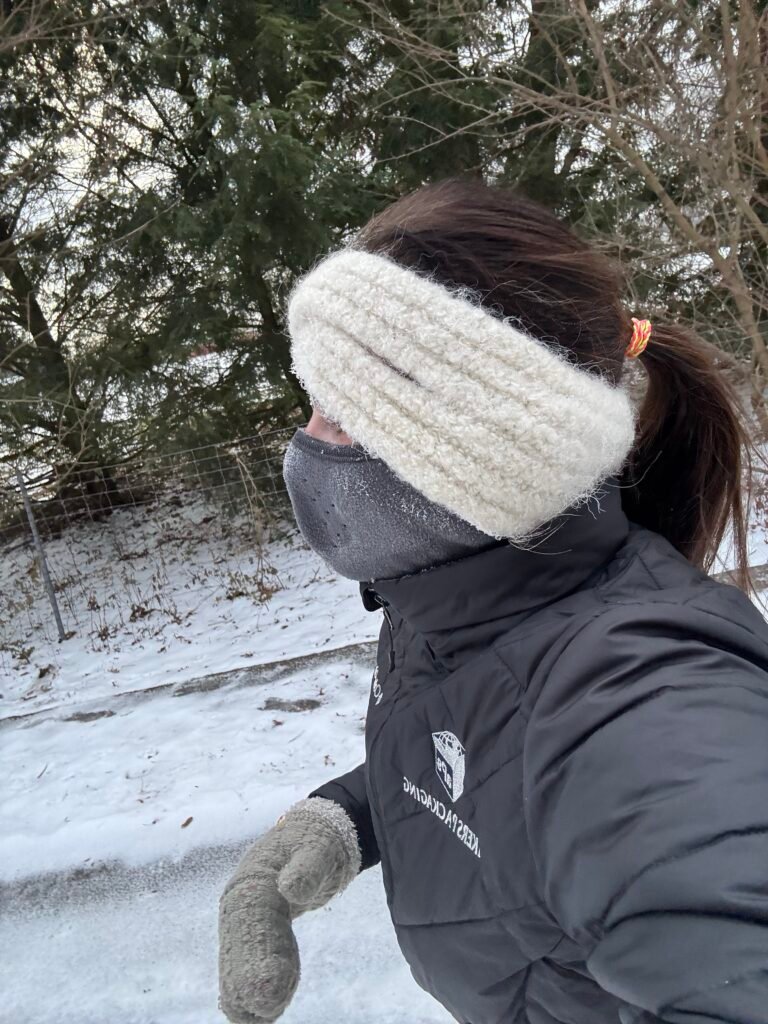
How to dress for running in the snow
The goal is staying warm without turning into a sweaty popsicle halfway through. Layering is everything — here’s the system that works. And don’t forget the details — the right running socks matter even more in winter when your feet are dealing with wet and cold at the same time.
Base Layer — Keep sweat off your skin
Avoid cotton at all costs. Cotton absorbs moisture and holds it against your skin in freezing temps — which means you’re basically wearing a damp cold compress for your entire run. Not fun.
Mid Layer — Insulation
For runs below freezing, add a layer that keeps warmth in without overheating.
Outer Layer — Wind & snow protection
If it’s windy or actively snowing, you need a layer that blocks the elements without trapping too much heat.
Cold weather essentials that make a huge difference
Thermal Tights
Cold legs make the whole run miserable
Wool Socks
Stay warm even when they get wet
Gloves or Mittens
Cold hands can ruin a run fast
Hat or Ear Warmer
Ears get painful quickly in cold wind
Neck Gaiter
Warms the air you breathe and protects your face
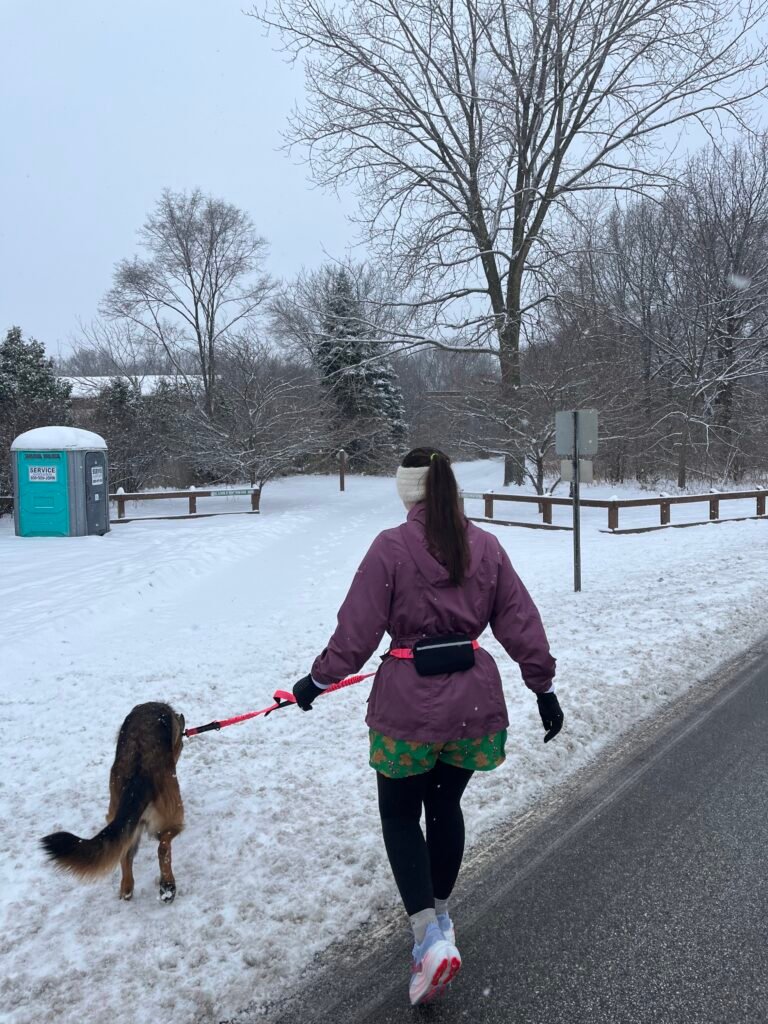
Running on snowy or icy paths
If you live somewhere the snow gets packed down and slick, having footwear with good traction can make winter running feel a lot less stressful. These are the two I recommend — and good traction is especially important if you’re still building back from an injury, since slipping can set your recovery back fast.
Yaktrax Traction Cleats
- Reliable grip on packed snow and icy sidewalks
- Slip easily over running shoes
- Durable for regular winter use all season
ICETRAX V3
- Solid traction at a lower price point
- Great for occasional snowy runs
- Practical if you don’t run outside all winter
If you’re out there all season, Yaktrax are worth every penny. If you only deal with snow a few times a year, the budget option works great!
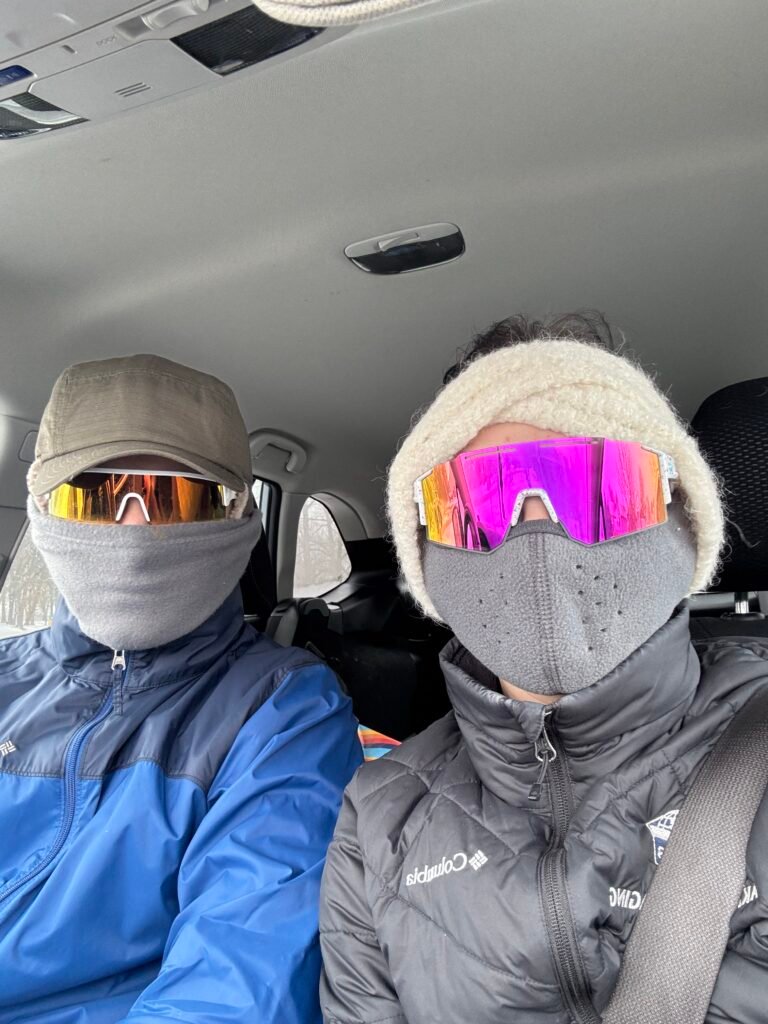
Why winter running is still worth it
Stronger stabilizing muscles
Real mental toughness
Confidence in tough conditions
Deep appreciation for spring running
Running in the snow will humble you. The footing is unpredictable, the air is sharp, and sometimes the effort feels twice as hard for half the pace. But getting out there anyway builds a kind of toughness you can’t fake — and that shows up when it matters most. It’s also one of the less obvious ways that consistent running transforms your body and mind over time.
Bundle up, watch your step, and give yourself full credit for showing up. ❄️🏃♀️
Getting out there in January when it’s 20 degrees and slippery? That’s the most impressive run of all.