
Everything I wish I’d known about shin splints before they sidelined me — causes, treatment, and how to come back stronger.
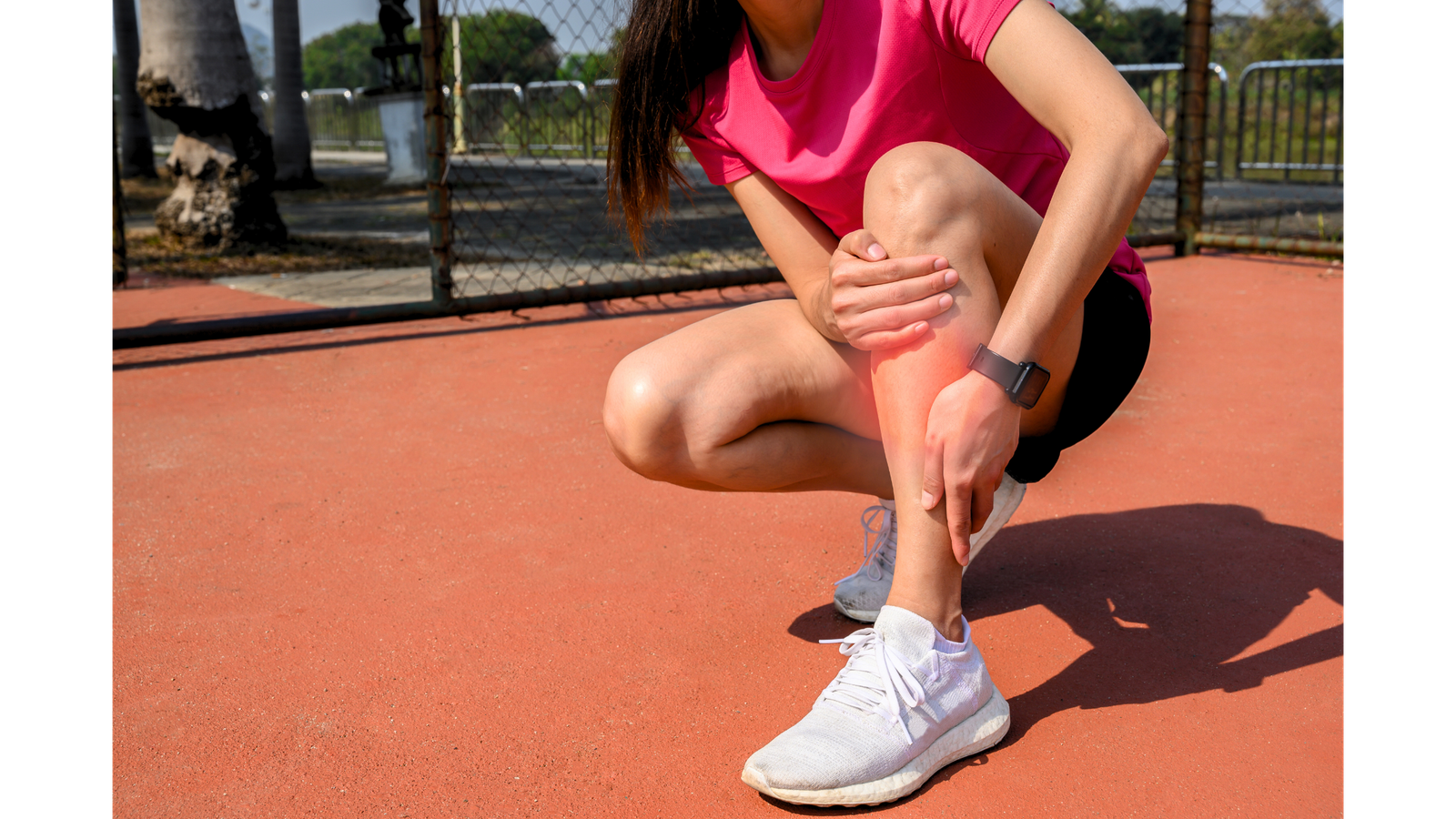
Shin splints are one of the most common pains new runners run into. They’re officially called medial tibial stress syndrome, but basically it means pain along the shinbone — the big bone at the front of your lower leg. That pain shows up when repeated impact stresses the bone and the muscles and tissues attached to it. If you’ve ever finished a run and thought “why do my shins hurt?”, this is usually the reason.
The pain usually feels like a sharp or aching soreness along the inner part of the lower leg. It might start during a run and then linger afterward. Some runners notice tenderness when they press on the area, stiffness, or even mild swelling. When the discomfort sticks around beyond normal post-workout soreness, it’s a sign your body is asking for a reset.
How long do shin splints last?
Here’s the honest answer: it depends on how severe they are and how quickly you address them. The runners who recover fastest are the ones who take it seriously early instead of pushing through hoping it’ll sort itself out.
🟡 Mild cases
- 2–4 weeks with rest and care
- May be able to cross-train
- Responds well to early treatment
🔴 Moderate to severe cases
- 4–12 weeks of active recovery
- Running needs to stop temporarily
- Needs consistent strengthening work
- Can recur if root cause isn’t fixed
Should you stop running?
This is always the question nobody wants to answer directly — so here it is. Use this as a general guide, but always listen to your own body and check with a provider if you’re unsure:
Why Shin Splints Happen
There isn’t just one cause. Shin splints often happen when your body is adapting to new stress — and new runners are especially prone because their muscles and bones are still adjusting to impact. Here are the most common culprits:
Worn-out or wrong shoes
Shoes that are worn out or don’t support your foot type put extra stress on your lower legs. A running specialty store can assess your gait and help you find a pair that actually works for you. It sounds excessive until you realize how much difference the right shoe makes.
Running only on hard surfaces
Pavement is unforgiving, especially when your legs aren’t used to impact yet. Mixing in softer surfaces like trails, grass, or a track can reduce stress on your shins significantly.
Increasing mileage too quickly
Your motivation says go farther. Your shins say absolutely not. Jumping distance or frequency too fast is one of the most common causes. Gradual increases give your muscles and bones time to adapt.
Poor running form
Overstriding, pounding the ground, or slouching while running increases strain on your shins. Focus on staying upright, keeping your stride light, and avoiding heavy foot strikes.
Weak supporting muscles
Strong calves, ankles, hips, and glutes help absorb impact so your shins don’t have to do all the work. Strength training and mobility work go a long way in preventing pain.
What Actually Helps
Shin splints usually respond well to simple recovery strategies if you address them early instead of trying to push through the pain.
Rest (the necessary kind)
Give your shins a break from high-impact activity. Walking, cycling, swimming, or the elliptical can keep you active without pounding your legs.
Ice it down
Apply ice for 15–20 minutes at a time, especially after activity or when pain flares up. Simple but genuinely effective.
Compression support
Compression sleeves can help manage swelling and reduce that achy, heavy feeling after a run. I wear mine during and after harder workouts.
Elevate when resting
If your shins feel swollen or throbbing, prop your legs up while resting to help reduce fluid buildup and speed recovery.
Pain relief if needed
Ibuprofen or acetaminophen can help manage discomfort — but don’t use them to mask pain so you can keep running through it.
Strengthen to prevent recurrence
Once pain settles, strengthening calves, ankles, and surrounding muscles helps prevent the problem from coming back.
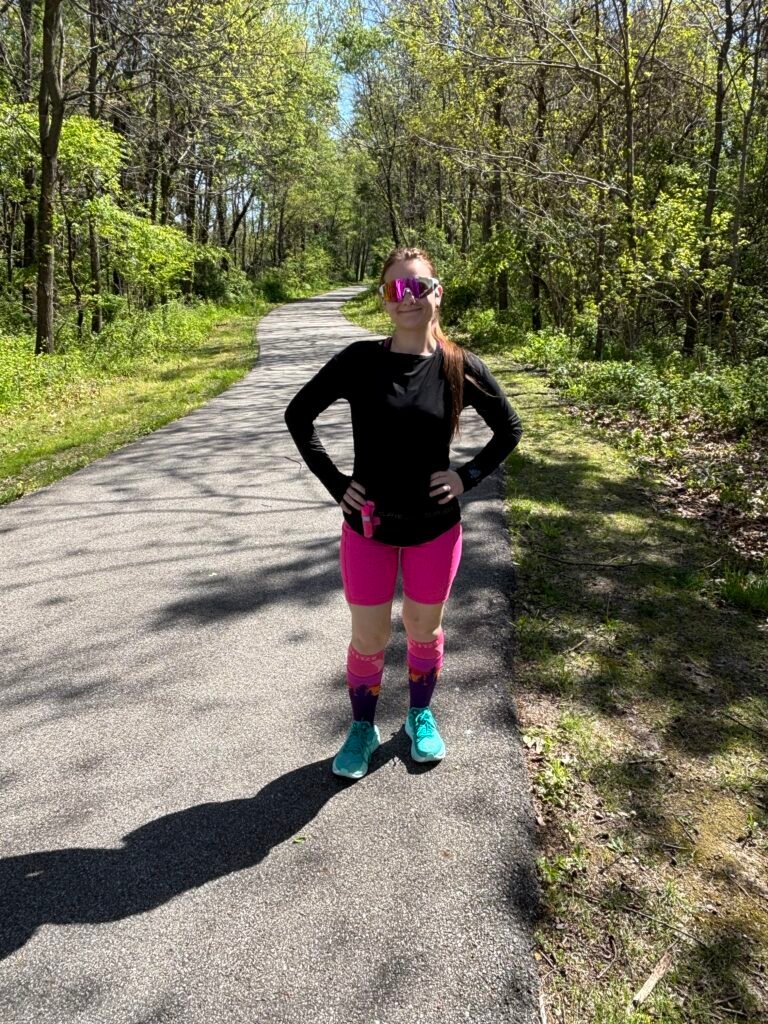
The Compression Sleeves I Actually Use
I’ve worn a lot of compression sleeves and these are the ones I keep reaching for — especially on days when my shins feel extra tight after longer runs. They’re not magic, but they genuinely make recovery more comfortable.
Shop on Amazon → Affiliate link — I earn a small commission at no extra cost to you. I only recommend things I actually use! 🤍When to see a PT
Coming Back Safely After Shin Splints
Coming back can feel nerve-racking — you finally feel better but you don’t want to end up back on the couch with an ice pack. The key is easing back in slowly so your legs can rebuild tolerance to impact.
Start with low-impact movement first
Walking, cycling, swimming, or the elliptical let your muscles and joints rebuild strength without heavy impact before you return to running.
Pay attention to how your legs feel
Mild soreness can be normal. Sharp pain, increasing discomfort, or soreness that worsens after running is not. If symptoms return, stop and give your body more time.
Keep your first runs short and slow
This is not the time to test your speed or endurance. Think short and easy. Your shins strongly disagree with picking up where you left off.
Build mileage gradually — again
Increase distance and intensity slowly so your body can adapt. A gradual build is what keeps you running long term.
Strengthen the muscles that support your shins
Calves, hamstrings, quads, hips, and ankles all help absorb impact. Strong supporting muscles mean your shins don’t have to handle all the load alone.
Listen to your body, not your training plan
There’s a difference between normal soreness and pain that signals something isn’t right. Progress isn’t lost by resting — it’s protected.
“Injuries and setbacks are part of the journey, not the end of it.”
Learning to listen to your body, recover properly, and train smarter will not only get you back on the road — it will help you stay there for years to come. Shin splints are frustrating, especially when you’re just building momentum. But treating them early and giving your body time to heal will get you back running faster and stronger than if you tried to push through.
Rest now so you can run later. You’ve got this! 🏃♀️🌸