
Plantar fasciitis is one of the most common and painful running injuries — that stabbing heel pain first thing in the morning that makes you dread getting out of bed. In this guide, learn what plantar fasciitis actually is, how long recovery takes, and what consistently helps runners get back on their feet.
That stabbing heel pain the moment your feet hit the floor in the morning — plantar fasciitis is one of the most frustrating running injuries. Here’s what actually helps.
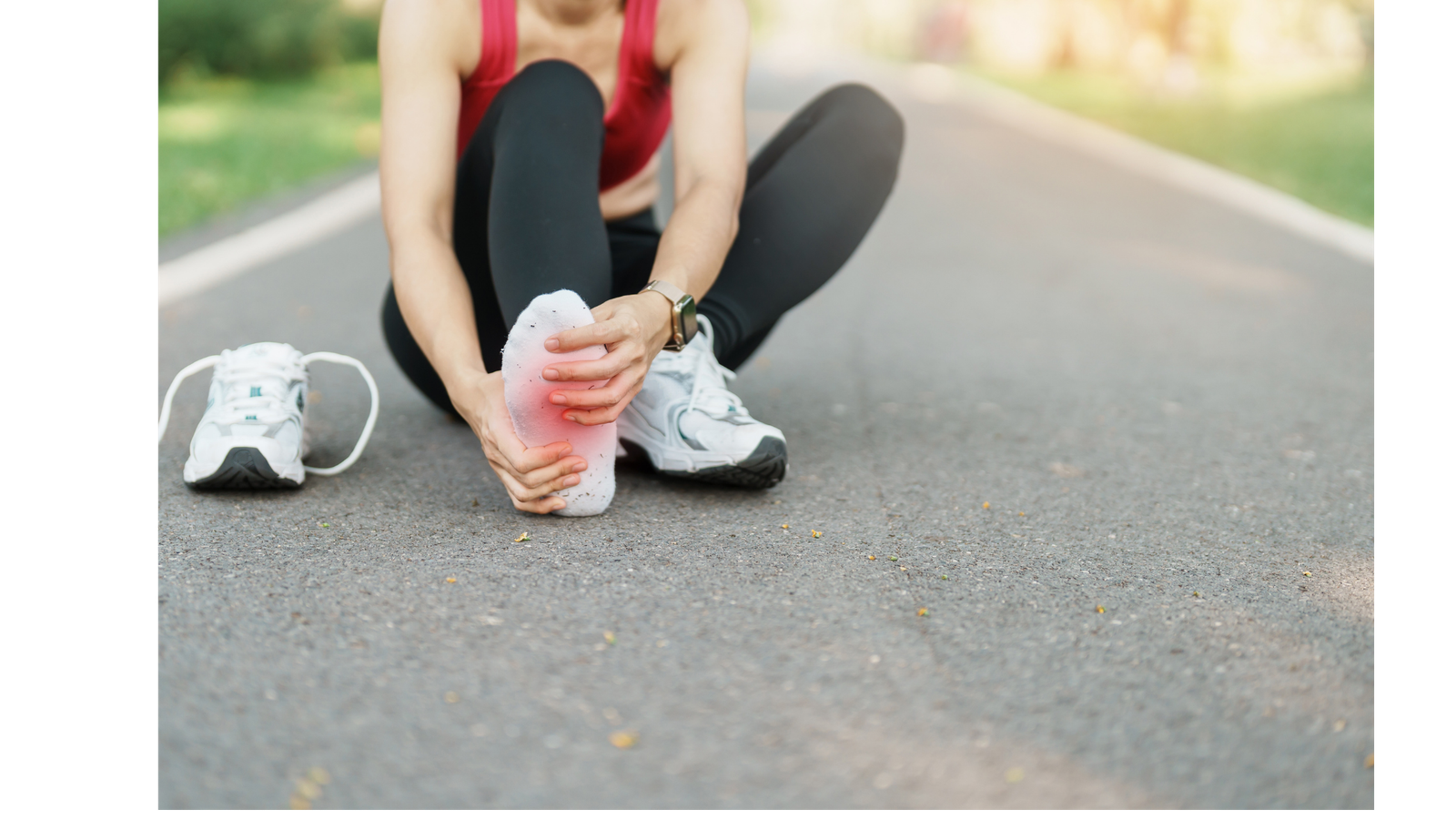
Plantar fasciitis has a signature move and if you’ve had it, you know exactly what it is. That first step out of bed in the morning, when your heel hits the floor and you immediately regret it. It’s sharp, it’s startling, and it has a way of making every single morning feel like a test of your commitment to being a runner. This guide covers everything: what’s actually happening in your foot, what helps versus what just masks it, and how to get back to running without making it worse.
What is plantar fasciitis?
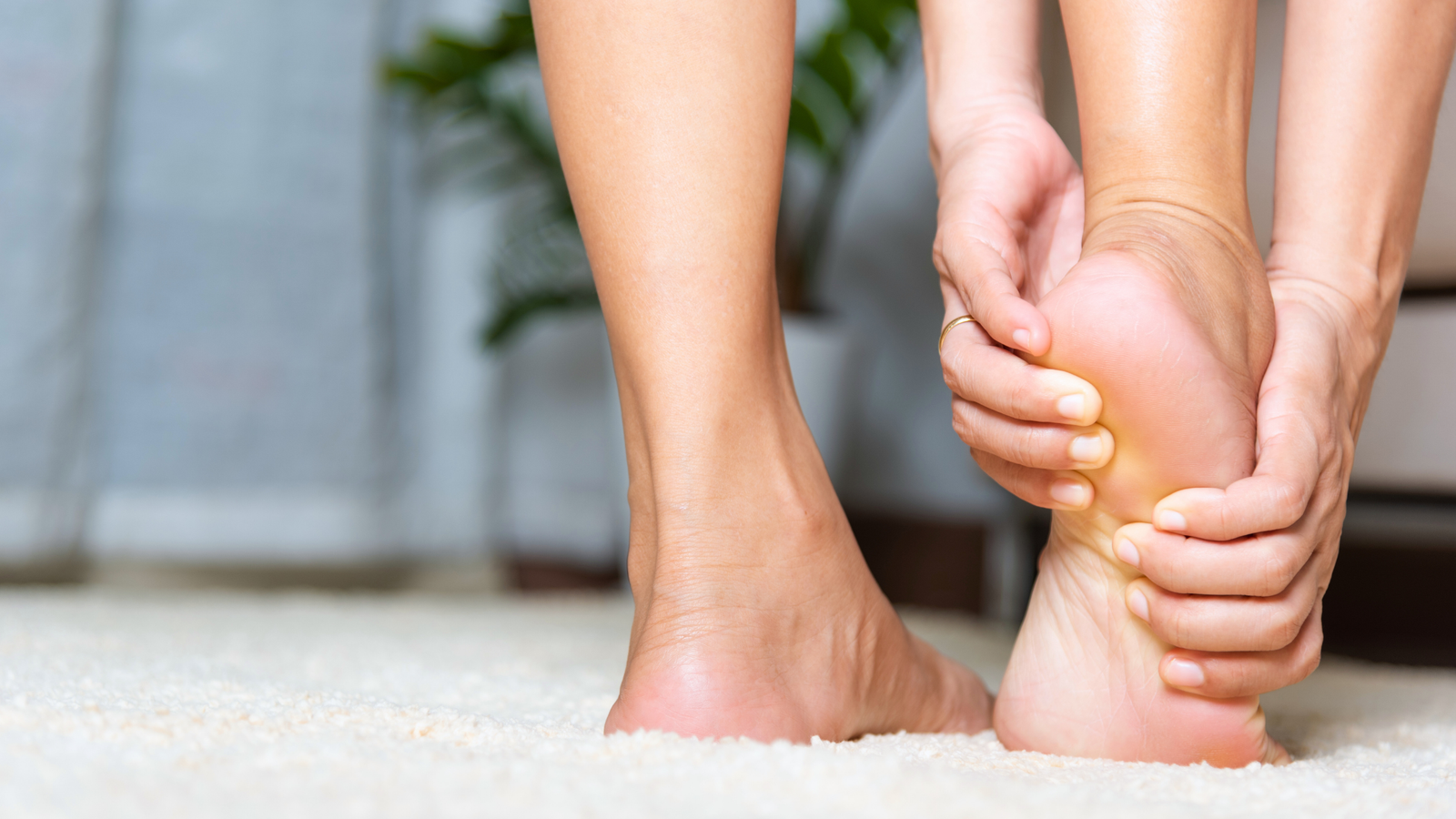
The plantar fascia is a thick band of tissue that runs along the bottom of your foot, connecting your heel bone to your toes. Its job is to support your arch and absorb the impact of every step. When it gets overloaded through too much running, sudden increases in mileage, tight calves, or poor foot mechanics, it becomes inflamed and irritated. This is plantar fasciitis.
The pain typically shows up right at the heel, where the plantar fascia attaches to the bone. The reason it’s worst in the morning is actually pretty logical: overnight, the tissue tightens up while you sleep. That first step stretches it suddenly, and the sharp pain is the result. After a few minutes of walking around, the tissue warms up and loosens, which is why the pain often fades as the day goes on… only to return after long periods of sitting or at the end of a run.
What does it feel like?
How long does plantar fasciitis last?
Honestly? It’s one of the more stubborn running injuries when it comes to timeline. The good news is that the vast majority of cases do resolve, but it almost always takes longer than people expect. Especially if they try to push through it in the early stages.
🟡 Mild cases
- 4–8 weeks with consistent treatment
- Caught early and addressed seriously
- May be able to continue modified running
- Stretching and footwear changes make a big difference
🔴 Moderate to severe cases
- 3–12 months of active management
- May need to significantly reduce or stop running
- Consistent daily stretching is non-negotiable
- Can become chronic without proper treatment
Should you stop running?
This is always the question and with plantar fasciitis, the answer really does depend on severity. Here’s a practical framework:
What actually helps
These are the things that address the root cause rather than just temporarily relieving symptoms. Consistency is the key word with every single one of them.
🧘 5 Helpful Stretches — the most important daily habit
Stretching is the single most impactful thing you can do for plantar fasciitis and the research consistently backs this up. These five stretches target the plantar fascia itself, the calves that pull on it, and the surrounding muscles that contribute to the problem. Do them every single day — not just on run days. The ones marked with a star are especially important first thing in the morning.
Plantar Fascia Toe Stretch
Sit on the edge of your bed and cross one foot over your knee. Pull your toes gently back toward your shin until you feel a stretch along the bottom of your foot. Hold for 30 seconds, repeat 3 times on each foot.
⭐ Do this before your feet hit the floor every morning — it directly targets that first-step pain.Standing Calf Stretch
Stand facing a wall with both hands on it. Step one foot back, keeping the back leg straight and the heel flat on the floor. Lean into the wall until you feel a deep stretch in the back of the lower leg. Hold 30 seconds, repeat 3 times each side.
⭐ Tight calves are one of the biggest drivers of plantar fasciitis — this is non-negotiable.Seated Towel or Strap Stretch
Sit with your leg extended. Loop a towel or stretching strap around the ball of your foot and gently pull your toes toward you, keeping your knee straight. Hold 30 seconds, repeat 3 times. Great to do in bed before you get up.
⭐ A stretching strap makes this significantly more effective and easier to hold properly.Eccentric Stair Calf Raise
Stand on the edge of a step with your heels hanging off. Rise up on both feet, then slowly lower down on one foot only until your heel drops below the step. The slow lowering phase is what makes this so effective. Do 3 sets of 10–15 reps. Start with both feet lowering if needed.
⭐ One of the most evidence-backed exercises for PF — builds the strength that prevents recurrence.Figure-Four Glute Stretch
Lie on your back with knees bent. Cross one ankle over the opposite knee, forming a figure four. Pull the uncrossed leg toward your chest until you feel a deep stretch in the crossed leg’s hip and glute. Hold 30 seconds, repeat 3 times each side.
⭐ Tight hips and glutes affect how your whole lower body moves — releasing them reduces overall tension on the plantar fascia.Foot & Calf Stretching Strap
Specifically designed for plantar fascia and calf stretches, the two most important stretches for PF recovery. Use it before getting out of bed in the morning and after runs. The loop design lets you hold the stretch properly without straining.
Shop on Amazon → Affiliate link — I earn a small commission at no extra cost to you. I only share products I personally use and trust. 🤍🌙 Night splint — the overnight game changer
A night splint holds your foot in a gently dorsiflexed position while you sleep, meaning it keeps the plantar fascia slightly stretched overnight instead of letting it tighten up. This directly addresses why that first morning step hurts so much. It takes a night or two to get used to sleeping with it, but for many people it’s the thing that finally breaks the cycle of severe morning pain.
Plantar Fasciitis Night Splint
Holds the foot at a gentle angle overnight to keep the plantar fascia from tightening while you sleep — which is exactly why morning pain is so bad. One of the most consistently recommended tools for PF recovery, especially for moderate to severe cases where that first step is the worst part of the day.
Shop on Amazon → Affiliate link — I earn a small commission at no extra cost to you. I only share products I personally use and trust. 🤍👟 Supportive footwear — including at home
One of the most overlooked parts of plantar fasciitis recovery is what you put on your feet when you’re not running. Walking barefoot on hard floors, especially first thing in the morning, keeps the plantar fascia under constant stress and makes healing significantly slower. Supportive insoles in your running shoes help during activity, but supportive house shoes matter just as much for day-to-day recovery.
ERGOfoot Supportive House Slippers
Arch support built right in — so you’re not undoing your recovery every time you walk to the kitchen. Genuinely one of the most underrated tools for plantar fasciitis. If you’re serious about healing, stop walking barefoot at home and get a pair of these.
Shop on Amazon → Affiliate link — I earn a small commission at no extra cost to you. I only share products I personally use and trust. 🤍🦶 Insoles — three options at every price point
Adding arch support inside your running and everyday shoes takes pressure off the plantar fascia during activity. Not all insoles are created equal. Here are three options depending on your budget and how much support you need.
Dr. Scholl’s Plantar Fasciitis Insoles
Affordable, widely available, and specifically designed for PF pain relief. A solid starting point if you want to try insoles without a big investment.
Shop on Amazon → Affiliate link 🤍Walkhero Orthotic Insoles
More structured support than budget options — designed specifically for plantar fasciitis with high arch support. Great for everyday and work shoes.
Shop on Amazon → Affiliate link 🤍Superfeet High Arch Insoles
Professional-grade orthotic support — the kind of insole a PT would recommend. Worth the investment if you’re a serious runner or on your feet all day.
Shop on Amazon → Affiliate link 🤍💪 PT exercises
Calf raises are one of the most evidence-backed exercises for plantar fasciitis, specifically eccentric calf raises done on a step. Towel scrunches, marble pickups, and single-leg balance work also help strengthen the intrinsic foot muscles that support the arch. These aren’t exciting exercises, but they address the actual weakness that’s contributing to the problem. A runner-focused PT can give you a program tailored to where you are in recovery.
🦵 Foam rolling and massage
Rolling the bottom of your foot on a foam roller, a lacrosse ball, or a dedicated ice roller ball helps release tension in the plantar fascia and surrounding tissue. Calf foam rolling is equally important since tight calves directly contribute to plantar fascia stress. The ice roller ball combines the benefits of massage and cold therapy in one tool, which makes it especially useful right after a run or at the end of a long day on your feet.
Massage Ice Roller Ball
Roll it under your foot to release plantar fascia tension while simultaneously icing the inflamed tissue. Freeze it for cold therapy or use at room temp for massage. A two-in-one tool that earns its place in any PF recovery kit.
Shop on Amazon → Affiliate link 🤍Foam Roller
Essential for calf release — tight calves are one of the most common contributors to plantar fasciitis. Daily rolling of the calves, hamstrings, and the bottom of the foot helps reduce the tension that keeps PF flaring up.
Shop on Amazon → Affiliate link 🤍Supportive tools that help day-to-day
These won’t fix plantar fasciitis on their own, but they make managing symptoms significantly more bearable while you do the actual work.
Dr. Scholl’s PF Pain Patches
Hydrogel patches that apply directly to the heel for targeted pain relief. A discreet option for high-pain days when you need something extra to get through work or daily life.
Shop on Amazon → Affiliate link 🤍Feetures PF Relief Socks
Targeted compression socks designed specifically for plantar fasciitis — applies gentle support to the arch during the day. A low-profile option that works under regular shoes.
Shop on Amazon → Affiliate link 🤍Arnica Gel
Natural anti-inflammatory applied directly to the heel and arch. Helpful for taking the edge off during flare-ups as part of a daily recovery routine.
Shop on Amazon → Affiliate link 🤍⚡ A note on Voltaren
Voltaren is a topical anti-inflammatory gel that works by reducing inflammation directly at the site of pain — applied to the heel and arch, it can provide real relief during bad flare-ups. The same rule applies here as with any injury: this is a flare-up tool, not a daily fix. Use it when inflammation is high, not as a substitute for doing the actual work.
Voltaren Topical Gel
Save this for your worst flare-up days. Apply directly to the heel and arch area as directed. Genuinely effective for acute inflammation, just not something to rely on every day.
Shop on Amazon → Affiliate link — I earn a small commission at no extra cost to you. I only share products I personally use and trust. 🤍When to see a PT
How to return to running
The golden rule: no pain during the run, and no pain the morning after. Morning pain is your clearest signal with plantar fasciitis. If you wake up and that first step still hurts significantly, you’re not ready to ramp back up yet.
Morning heel pain minimal or gone before attempting to run
Walk 30+ minutes pain-free on multiple consecutive days
Walk/run intervals — short run segments, monitor response
Short, flat, easy continuous runs only — no hills yet
Build mileage gradually — no more than 10% per week
Keep stretching and strengthening — this doesn’t stop at return
Plantar fasciitis is fixable — but it requires patience
Of all the running injuries out there, plantar fasciitis is one of the most likely to resolve completely with the right approach. But it requires consistency in a way that some injuries don’t. The stretching, the footwear decisions, the night splint, the gradual return. It’s a lot of small daily habits that add up to a real difference over time.
Stretch before your feet hit the floor. Support your arch all day, not just during runs. Give your body the time it needs. And when you come back to running, do it slowly. Your heel will thank you.
You’ve got this. Be patient with your body and consistent with the work — it pays off. 🩷